
Some links on our site may earn us a commission at no extra cost to you. Learn more.
A suspension trainer setup doesn’t have to mean a home gym’s worth of equipment. The TRX Home2 System is the most complete out-of-the-box option and the easiest to anchor to any door, gymnastic rings from a brand like Rogue Fitness give you the most strength-building range for the money once you already have (or buy) a solid overhead anchor point, and a basic resistance band set is the cheapest and most packable way to get a comparable pulling and pressing workout in a studio apartment or a suitcase. Which one is right for you mostly depends on whether you already have somewhere sturdy to hang from.
At a Glance
Best overall: TRX Home2 System — a door anchor is included, so it works in a rental apartment with zero extra hardware. Best for strength progression: Rogue gymnastic rings — the deepest long-term progression path (rows to dips to muscle-ups) once you have a fixed anchor. Best budget and most packable: a 5-band resistance set — folds into a bag small enough for a carry-on, at a fraction of the price of the other two.
What Actually Differs Between These Three
All three let you do bodyweight-based pulling, pressing, and core work without a rack of dumbbells. Where they genuinely differ is what you need above your head to use them. TRX’s included door anchor works in almost any doorway, rated for solid, load-bearing door frames. Gymnastic rings need a proper overhead anchor — a pull-up bar, a wall-mounted rig, or ceiling joists rated for dynamic bodyweight load — because the exercises they’re best at (rows, dips, ring muscle-ups) put more lateral and dynamic force through the anchor than TRX’s more controlled movements. Resistance bands need the least: most door-anchor kits work the same way TRX’s does, just with elastic tension instead of your full bodyweight.
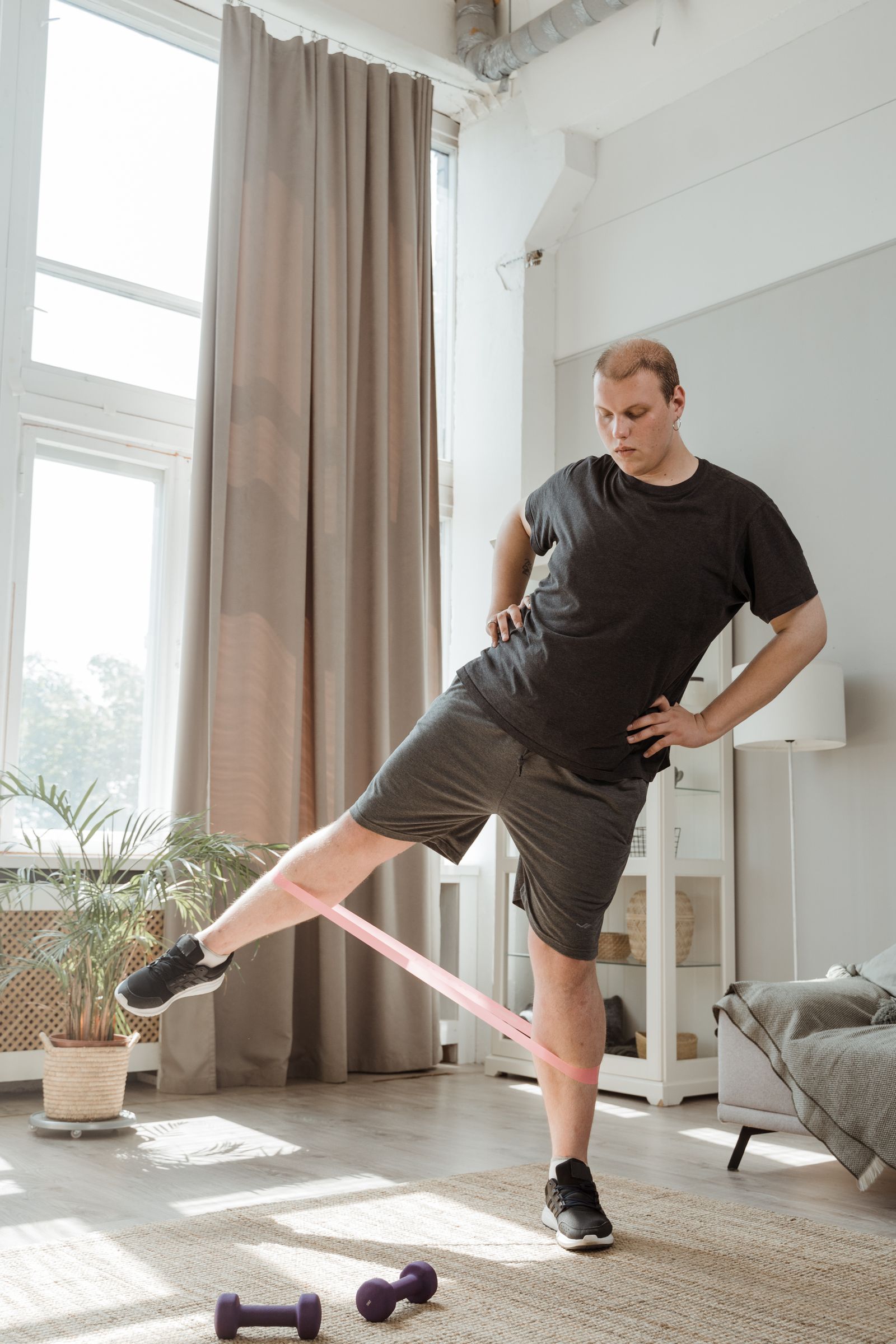
Suspension Training Options Compared
| System | Approx. Price | Anchor Needed | Portability | Best For |
|---|---|---|---|---|
| TRX Home2 System | ~$200 | Included door or suspension anchor | Packs into a small bag | Full-body suspension training anywhere with a door |
| Rogue Gymnastic Rings + Straps | ~$140–$160 | Fixed overhead anchor (pull-up bar, rig, rated ceiling point) | Rings pack small; straps need an anchor to be useful | Long-term strength progression, dips and ring work |
| 5-Band Resistance Set | ~$25–$40 | Included door anchor | Fits in a carry-on | Travel, accessory work, budget starting point |
The Real Cost to Get Started — Not Just the Sticker Price
The listed price only tells part of the story here, because gymnastic rings are the one system that often needs an additional purchase before you can actually use them. If you already own a pull-up bar or have exposed ceiling joists rated for dynamic load, rings cost roughly what TRX costs. If you don’t, you’re looking at another $80–$150 for a wall-mounted pull-up bar or a freestanding rig sturdy enough for dynamic ring work — a cost TRX and resistance bands avoid entirely, since both include a door anchor rated for their respective loads.
| System | Base Price | Extra Anchor Hardware (if needed) | Realistic Total to Start |
|---|---|---|---|
| TRX Home2 System | ~$200 | $0 | ~$200 |
| Rogue Rings + Straps (no existing bar) | ~$150 | ~$80–$150 | ~$230–$300 |
| Rogue Rings + Straps (bar already owned) | ~$150 | $0 | ~$150 |
| 5-Band Resistance Set | ~$30 | $0 | ~$30 |
The takeaway: rings are only the mid-priced option if you’re starting from zero. If you already have a solid pull-up bar, they’re roughly TRX’s price for a deeper long-term strength ceiling. If you don’t, budget for the anchor hardware before you buy the rings themselves.
Where Each System Wins — and Its Dealbreaker
TRX Home2 wins on simplicity — door anchor included, adjustable foot cradles, and a companion app with structured workouts. Its dealbreaker: the strap-based resistance tops out lower than rings for advanced movements like muscle-ups, so experienced lifters tend to outgrow it faster.
Gymnastic rings win on long-term progression — the same pair of rings takes you from basic rows to advanced dips and muscle-ups over years, not months. Their dealbreaker: you need a genuinely solid anchor point, and improvising one (an unrated door frame, a flimsy curtain rod) is a real injury risk, not just an inconvenience.
Resistance bands win on price and portability — nothing here is cheaper or packs smaller. Their dealbreaker: bands can’t replicate true bodyweight-suspension training, so they’re better as a travel or accessory tool than as a primary strength system for anyone already lifting seriously.
How We Compared
This comparison draws on manufacturer specifications, current retailer pricing, and published strength-coach reviews of each system’s real-world use. We did not personally test these products. Anchor and mounting-hardware requirements can vary by home construction, so always confirm a mounting point can bear dynamic bodyweight load — consult the manufacturer’s installation guidance or a professional installer before mounting hardware to drywall, brick, or unknown ceiling framing. Prices are approximate, current as of publication, and change frequently — confirm the latest price with the retailer before buying. Read more in our editorial standards.

Frequently Asked Questions
Do I need a pull-up bar to use gymnastic rings?
You need some fixed anchor point rated for dynamic bodyweight load — a wall-mounted pull-up bar, a freestanding rig, or rated ceiling joists all work. An unrated door frame or a curtain rod is not a safe substitute, unlike TRX’s included door anchor, which is designed and rated specifically for that use.
Can TRX or rings really replace a full home gym?
They cover pulling, pressing, and core work well, but neither replicates heavy loaded leg work the way a squat rack and barbell does. Most owners pair a suspension system with bodyweight leg exercises or add dumbbells later rather than treating it as a total replacement.
Which is best for a small apartment or rental?
TRX or a resistance band set, since both include a door anchor and need no permanent mounting hardware. Gymnastic rings are workable in a rental only if you already have or can install a rated freestanding pull-up rig, since drilling into a rental’s ceiling for a fixed anchor usually isn’t an option.
How much weight can a door anchor safely hold?
This varies by product and door construction, so always follow the manufacturer’s specific weight rating and door-type guidance in the included instructions rather than assuming any door qualifies — hollow-core doors and damaged frames are common reasons a rated anchor can still fail.
Building out a full home gym instead? See our comparisons of squat racks, adjustable dumbbells, and free-weight training options, or browse our full home gym coverage.
