
Some links on our site may earn us a commission at no extra cost to you. Learn more.
Published July 26, 2026. Updated September 9, 2026.
This is general information, not veterinary advice. Every rabbit’s space, temperament, and local climate are different — check with your vet or a rabbit-savvy rescue before finalizing a housing setup.
The right rabbit hutch depends less on the brand and more on where it’s going to live. An indoor wire cage like the MidWest Wabbitat Deluxe wins on price and footprint for a house rabbit with daily free-roam time. A weatherproof wood hutch like the PawHut D51-087 is built to survive rain and temperature swings outside. And a convertible hutch-and-run like the TRIXIE Natura splits apart so you can run it indoors, outdoors, or both. None of the three meets the full-time floor space rabbit welfare groups recommend on its own. All three work as a sleeping/retreat base, not a lifelong enclosure.
I have set up pet gear in cramped apartments, and floor space always beats the price tag on the box. A cage that looks roomy in a photo often shrinks fast once furniture and food go in. That gap between marketing space and usable space is exactly what the square-footage math below is checking.
Rabbit Hutch Indoor vs. Outdoor vs. Convertible: Our Picks at a Glance
- Best overall: TRIXIE Natura Hutch with Outdoor Run — the hutch detaches from the run, so it’s the only one of the three that genuinely works indoors, outdoors, or both.
- Best budget: MidWest Wabbitat Deluxe Rabbit Home — the cheapest of the three at roughly $85, with an elevated loft that adds usable floor space to a small indoor footprint.
- Best upgrade: PawHut Indoor/Outdoor 2-Story Rabbit Hutch (D51-087) — fir wood, an asphalt shingle roof, and a 4.8-out-of-5 rating across 63 Home Depot reviews for standing up to weather.
How the Three Rabbit Hutch Styles Compare
| MidWest Wabbitat Deluxe (Indoor) | PawHut D51-087 (Outdoor) | TRIXIE Natura (Convertible) | |
|---|---|---|---|
| Best for | Indoor house rabbits with daily exercise time | Permanent outdoor or patio/garage housing | Households that split time indoors and outdoors, or move seasonally |
| Approx. price | $84.99 | $140.99 | $131.43 |
| Footprint | 39.5″L x 23.75″W x 19.75″H | 53.75″L x 19.75″W x 36.75″H | Hutch 30″x21″x28″ + run 31″x21″x23″ |
| Material | Powder-coated wire, plastic pan | Fir wood frame, asphalt shingle roof, wire run panel | Fir wood hutch, wire mesh run |
| Weatherproofed? | No — indoor use only | Yes — sealed roof, elevated legs off wet ground | Partial — hutch resists splashes; check your climate before leaving it out year-round |
| Levels/layout | 2 (wire loft + solid floor) | 2-story, enclosed sleeping side + open run side | 1-level hutch, detachable run attaches for outdoor time |
Indoor Wire Cage: MidWest Wabbitat Deluxe Rabbit Home
The Wabbitat Deluxe is the cage most first-time indoor rabbit owners land on. It’s the cheapest of the three at around $85, and assembly is tool-free. The elevated wire loft gives a small footprint a second usable level for eating and lounging, while the solid plastic pan floor stays gentle on rabbit feet below.
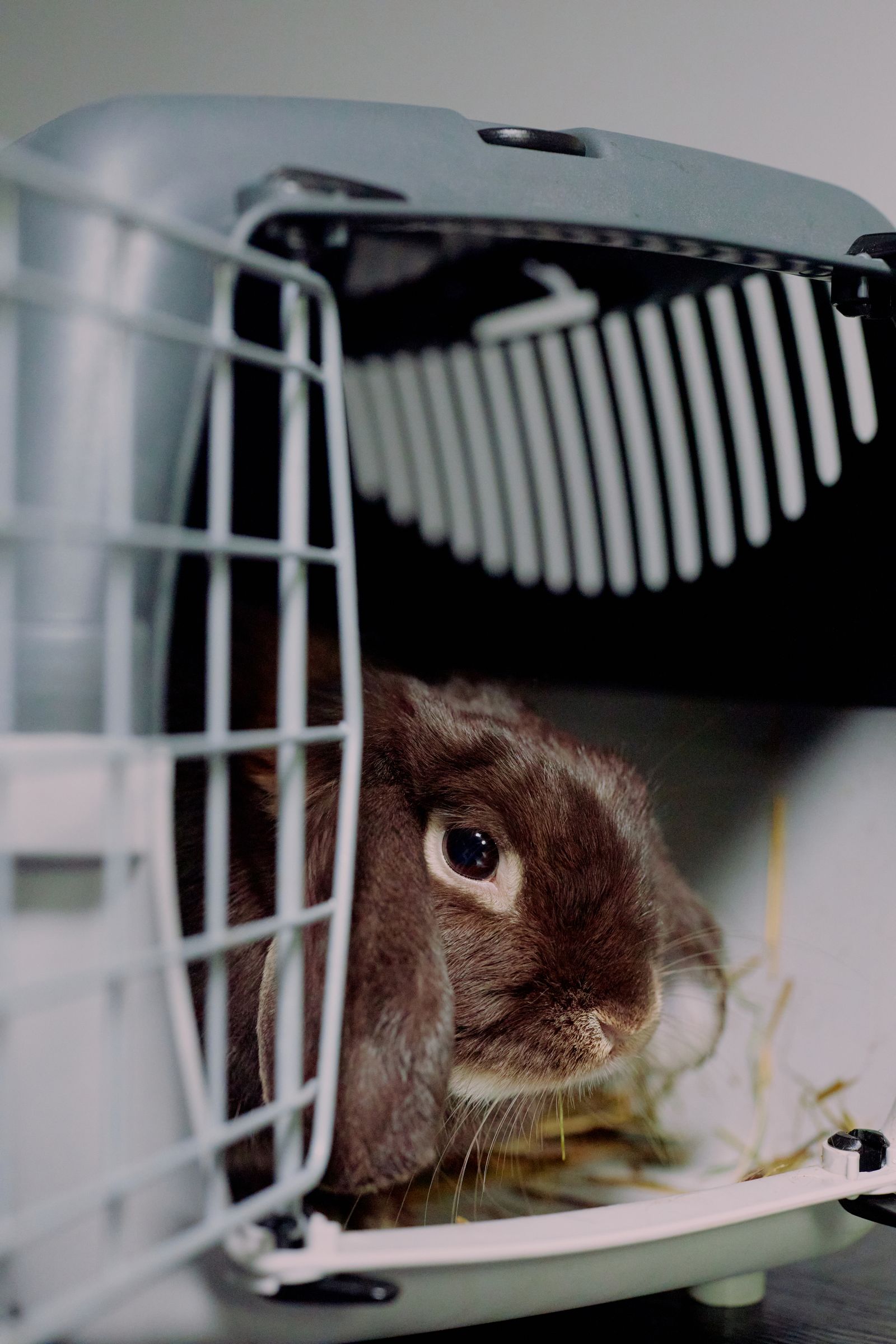
- Where it wins: price, easy setup, good ventilation, and a footprint that fits a bedroom or living room corner.
- Honest drawback: at roughly 6.5 square feet of floor space, it’s well under what welfare guidance recommends for full-time housing — it only works paired with several hours of supervised free-roam or exercise-pen time daily.
- Who should buy: apartment or house-rabbit owners who plan to let their rabbit out for real exercise time and just need a safe base cage.
- Who should skip: anyone planning to keep a rabbit (or a bonded pair) in it around the clock — size up or add a permanent pen instead.
Outdoor Weatherproof Hutch: PawHut Indoor/Outdoor 2-Story Rabbit Hutch
The PawHut D51-087 is the standout for anyone housing a rabbit in a yard, patio, or garage. It’s built from fir wood with a water-resistant composite asphalt roof and legs that lift the floor off wet ground. Its two-story layout separates an enclosed sleeping compartment from an open-air run, a real design advantage over hutches that are just one box. It also carries a 4.8-out-of-5 rating across 63 reviews at Home Depot. That is a meaningfully large, consistent sample for this category rather than a handful of first-week reviews.
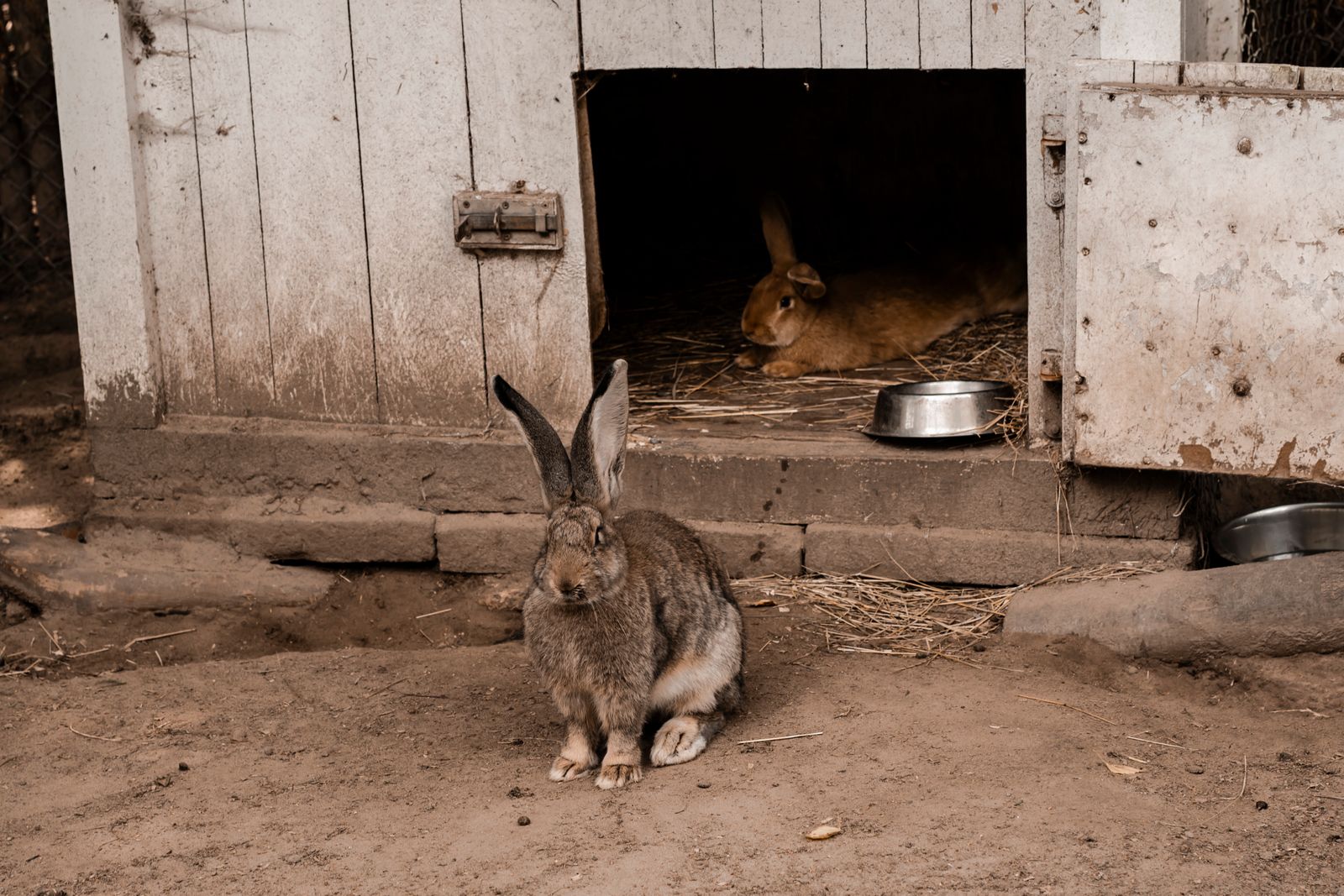
- Where it wins: real weatherproofing, elevated construction, and a two-story layout that gives a private retreat and open play space in one footprint.
- Honest drawback: fir wood still needs occasional resealing in wet climates, and it has no insulation for cold winters — a rabbit-savvy vet or rescue should weigh in on whether your region allows safe year-round outdoor housing.
- Who should buy: households with outdoor space wanting a durable, semi-permanent hutch that can handle rain.
- Who should skip: cold-climate owners without a plan to insulate or bring the hutch indoors in winter.
Convertible/Modular: TRIXIE Natura Hutch with Detachable Run
The TRIXIE Natura earns the “convertible” label honestly: the hutch and the run are separate pieces that bolt together. It can run as a compact indoor cage alone, or as a full indoor/outdoor setup with the run attached for supervised yard time. That flexibility is the whole pitch. It’s the one option here you can move between rooms or seasons without buying a second product.
- Where it wins: genuine modularity — split it apart for indoor-only use, or reassemble it outdoors when weather allows.
- Honest drawback: combined footprint (about 8.9 square feet) still falls short of full-time housing minimums, and reconfiguring the hardware between setups takes real time and effort.
- Who should buy: renters, seasonal setups, or anyone who wants one hutch that works both indoors and outdoors rather than owning two products.
- Who should skip: anyone who wants a single fixed placement and has no interest in ever taking it apart.
Original Data: What You’re Really Paying Per Square Foot
Spec sheets list length, width, and height. They don’t tell you what you’re paying for usable floor space, and none of the retailers above run this math. We did, using each hutch’s listed dimensions converted to square feet:
- Wabbitat Deluxe: 39.5″ x 23.75″ = 938.1 sq in ÷ 144 = 6.51 sq ft of floor space. $84.99 ÷ 6.51 = $13.05 per square foot.
- PawHut D51-087: 53.75″ x 19.75″ = 1,061.6 sq in ÷ 144 = 7.37 sq ft per level, and it has two stacked levels = 14.74 sq ft total. $140.99 ÷ 14.74 = $9.57 per square foot — the best space-per-dollar of the three despite the highest sticker price.
- TRIXIE Natura: hutch (30″ x 21″ = 4.38 sq ft) plus run (31″ x 21″ = 4.52 sq ft) = 8.90 sq ft combined. $131.43 ÷ 8.90 = $14.77 per square foot — the priciest per square foot, which is the tradeoff for buying flexibility instead of raw space.
Worth noting: even the roomiest of the three, the PawHut at 14.74 combined square feet, covers only about 69% of the 21.5-square-foot sheltered-area minimum the Rabbit Welfare Association & Fund recommends for a single hutch space. None come close to the 60 square feet (10ft x 6ft) the House Rabbit Society of Chicago recommends for a pair of average-sized rabbits. That’s a chapter that says it’s “moving away from” small 4-by-4-foot pens entirely because they’re “not sufficient space for any rabbit.” Read as intended, as a base plus real daily exercise time and not a 24/7 enclosure, all three hutches are reasonable. Read as a rabbit’s whole world, none of them are.
How We Compared These Rabbit Hutches
This comparison is built from manufacturer specs cross-referenced against verified owner reviews on Home Depot, Chewy, and Petco. We looked for long-term reliability patterns: recurring complaints about hardware, weatherproofing, and rabbit safety over months of use, rather than first-week impressions. Our full process is outlined in our editorial standards. Prices are approximate, current as of publication, and change frequently — confirm the latest price with the retailer before buying.
Furnishing a whole small-pet setup? Our comparisons of wire cage vs. glass tank vs. C&C enclosure options and guinea pig bedding cover the neighboring cages, and our bird cage comparison runs the same indoor-vs-outdoor tradeoffs for feathered pets. See more housing and gear picks in Pets.
FAQ: Rabbit Hutches
What size hutch does a rabbit actually need?
Bigger than most store-bought hutches provide on their own. The Rabbit Welfare Association & Fund recommends a minimum sheltered area of about 2m x 1m (roughly 21.5 sq ft) plus a much larger exercise area, and the House Rabbit Society of Chicago recommends at least 10ft x 6ft (60 sq ft) of space for a pair of average rabbits.
Can a rabbit live in an outdoor hutch year-round?
It depends heavily on climate, insulation, and predator protection — this is a question for a vet or rabbit-savvy rescue familiar with your region, not a one-size-fits-all yes.
Is an indoor cage enough on its own?
No — indoor cages like the Wabbitat Deluxe are meant as a sleeping/retreat base paired with several hours of supervised free-roam or exercise-pen time daily, not a full-time enclosure.
What’s the difference between a hutch and a run?
A hutch is the enclosed sleeping/shelter box; a run is an attached open-air or open-mesh play space. Convertible designs like the TRIXIE Natura let you use the hutch alone or attach the run for extra space.
How much does a good rabbit hutch cost?
In this comparison, prices ranged from about $85 for an indoor wire cage to about $141 for a weatherproof outdoor hutch. Prices change frequently, so confirm the current price with the retailer before buying.
Do rabbits need a hutch if they already get daily exercise pen time?
Yes — rabbits still need a defined safe base for sleeping, eating, and retreating, even with generous exercise time elsewhere.
