
Some links on our site may earn us a commission at no extra cost to you. Learn more.
This article is general nutrition information for comparison purposes only, not medical or dietary advice. If you have food allergies, a medical condition, or specific dietary needs, talk to a doctor or registered dietitian first. Do this before changing what you eat.
Published July 27, 2026. Updated August 16, 2026.
Protein bars split into three camps: whey (fast-digesting, dairy-based), plant-based (vegan, allergen-friendly), and collagen (skin- and joint-focused, not a complete protein). For straightforward protein-per-dollar and protein-per-gram-of-sugar value, Quest Nutrition’s Chocolate Chip Cookie Dough bar comes out on top. No Cow is the better call if you’re avoiding dairy or soy. Bulletproof’s collagen bar serves a different goal entirely and shouldn’t be judged as a whey replacement.
I’ve eaten protein bars on long drives, so I care whether one survives a hot glovebox without turning to mush. The ones that hold up are the ones I reach for again. Sugar content matters less to me than whether a bar still tastes decent after baking in the heat. A dense bar holds up in a hot car far better than a soft one.
At a Glance: Our Picks
- Best Overall — Quest Nutrition Chocolate Chip Cookie Dough Protein Bar: most protein per bar, lowest cost per gram of protein, widely stocked at mainstream retailers.
- Best Budget — Bulletproof Collagen Protein Bars: the cheapest sticker price of the three per bar, though you get less protein for it.
- Best Upgrade — No Cow Peanut Butter Chocolate Chip Protein Bar: dairy-free, soy-free, gluten-free plant protein for people who can’t or won’t eat whey or collagen.
Which Protein Bars Should You Buy? Full Nutrition Comparison Table
Before you read another word of opinion, look at the numbers side by side. Every figure below comes from each brand’s own nutrition-facts listing, verified against retailer and manufacturer product pages.
| Bar | Protein Source | Protein per Bar | Sugar per Bar | 12-Count Box Price | Price per Bar |
|---|---|---|---|---|---|
| Quest Nutrition Chocolate Chip Cookie Dough | Whey protein blend | 21g (per questnutrition.com) | 1g (per questnutrition.com) | $31.97 (per questnutrition.com) | ≈$2.66 |
| No Cow Peanut Butter Chocolate Chip | Pea & brown rice protein (plant-based) | 20g (per HighProteinSnacksPro.com nutrition data) | 1g (per HighProteinSnacksPro.com nutrition data) | $32.99 (per nocow.com) | ≈$2.75 |
| Bulletproof Collagen Protein Bar | Grass-fed bovine collagen peptides | 11g (per shop.bulletproof.com) | 2g (per shop.bulletproof.com) | ≈$29.99 (per Amazon listing, tracked by Slickdeals) | ≈$2.50 |
Prices are approximate, current as of publication, and change frequently. Confirm the latest price with the retailer before buying.
The Real Cost: Price Per Gram of Protein (Our Math)
Sticker price alone is misleading because the three bars deliver very different amounts of protein. We built two original metrics: cost per gram of protein, and a “sugar efficiency” score. That score is grams of sugar divided by grams of protein, where a lower number means less sugar for every gram of protein you’re getting.
| Bar | Cost per Gram of Protein | Sugar per Gram of Protein |
|---|---|---|
| Quest Nutrition Chocolate Chip Cookie Dough | $0.127/g | 0.048g |
| No Cow Peanut Butter Chocolate Chip | $0.137/g | 0.050g |
| Bulletproof Collagen Protein Bar | $0.227/g | 0.182g |
The math: cost per gram of protein = (box price ÷ bars per box) ÷ grams of protein per bar. For Quest, that’s ($31.97 ÷ 12) ÷ 21g = $0.127. Sugar-per-gram-of-protein is simply grams of sugar ÷ grams of protein. For Bulletproof, that’s 2g ÷ 11g = 0.182, roughly four times worse than Quest or No Cow on this measure.
Quest and No Cow are essentially tied on sugar efficiency and close on cost per gram. Bulletproof isn’t a bad product — it’s just answering a different question. Collagen bars aren’t built to maximize grams of muscle-building protein per dollar; they’re built around collagen peptides for skin, joint, and connective-tissue support, which naturally means less total protein per bar.
Quest Nutrition Chocolate Chip Cookie Dough Protein Bar — Best Overall
Quest’s Chocolate Chip Cookie Dough bar delivers 21g of whey protein and just 1g of sugar per bar at 190 calories, according to questnutrition.com — the best raw protein-per-gram-of-sugar numbers of the three bars compared here. It’s also the easiest to find, sold at Target, Walmart, GNC, and grocery chains nationwide.
- Pros: Highest protein per bar of the three; lowest sugar; huge flavor lineup; sold nearly everywhere.
- Cons: Whey means it’s off-limits for vegans and risky for anyone with a dairy allergy or lactose sensitivity; relies partly on sugar alcohols, which can cause GI upset in sensitive people; texture is dense and chewy, which not everyone enjoys.
Best for: anyone who can eat dairy and wants the most protein for the least sugar and the least money per gram. This is the decisive pick for straightforward muscle-building or post-workout snacking. There’s no meaningful downside to recommending it over the other two on pure nutrition math.
No Cow Peanut Butter Chocolate Chip Bar — Best for Restrictions
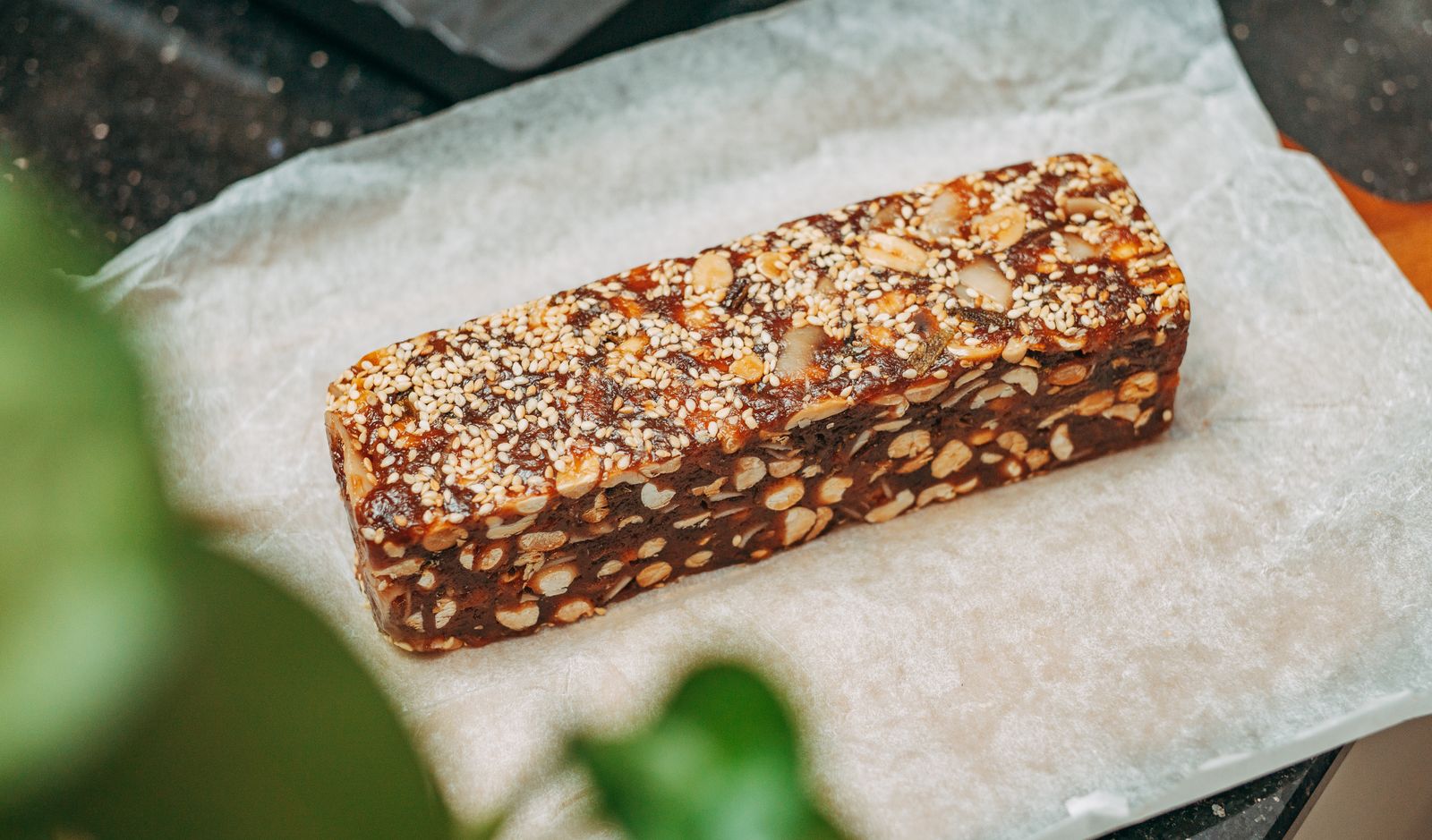
No Cow’s Peanut Butter Chocolate Chip bar packs 20g of plant-based protein and 1g of sugar at 170 calories per bar, according to nutrition data compiled by HighProteinSnacksPro.com. That nearly matches Quest on protein and sugar while staying dairy-free, soy-free, and gluten-free.
- Pros: Nearly matches Quest on protein and sugar without any dairy or soy; naturally sweetened rather than relying purely on isolated sugar alcohols; solid choice for allergy-conscious households.
- Cons: Slightly higher cost per gram of protein than Quest; plant-protein bars can have a grainier, denser bite that some people find less appealing; still contains some sugar alcohol (erythritol), which can bother sensitive stomachs.
Best for: vegans, people with a dairy or soy allergy, or anyone who simply prefers not to eat animal-derived protein. It’s a fit if you don’t want to sacrifice much protein or accept more sugar to get it.
Bulletproof Collagen Protein Bar — Best Budget Pick
Bulletproof’s collagen bars carry 11g of protein and 2g of sugar per bar from grass-fed collagen peptides, according to shop.bulletproof.com. They run about $2.50 per bar, the lowest sticker price of the three, even though you get less protein for it.
- Pros: Cheapest per-bar price of the three; collagen peptides are commonly used for skin, joint, and connective-tissue support rather than pure muscle-building; a reasonable add-on alongside — not instead of — a complete protein source.
- Cons: Roughly half the protein of Quest or No Cow; highest cost per gram of protein (about $0.227/g) and worst sugar-efficiency score of the three; collagen is an incomplete protein missing meaningful tryptophan, so it doesn’t substitute for whey or a complementary plant blend if muscle protein synthesis is the goal.
Best for: people already getting enough complete protein elsewhere who want a lower-priced snack with a collagen boost for skin or joints. It’s not for anyone using bars as a primary protein source.
Feature Analysis: What Separates These Three Protein Bars
The real differentiator isn’t flavor — it’s protein source. Whey is a fast-digesting, complete protein high in leucine. That’s why sports dietitians consistently favor it for post-workout recovery, a consensus reflected across 2026 buying guides from outlets like Forbes Health and BarBend. Plant blends like pea and brown rice combine to form a complete amino acid profile too, just absorbed somewhat more slowly. Collagen is the outlier: it’s missing meaningful tryptophan, so it’s not considered a complete protein for muscle-building purposes. It remains popular for skin- and joint-support claims anyway.
Texture and taste reputation matter too. Quest bars are widely known for a dense, chewy bite that’s polarizing — some people love it, others find it gummy. No Cow tends toward a softer, slightly grainier texture from its seed-and-grain-based binders. Bulletproof’s collagen bars lean fudgier, closer to a dessert bar, which is part of why they read as a treat rather than a training staple.
Which Protein Bars Are Allergen-Friendly?
No Cow is the only one of the three formulated dairy-free, soy-free, and gluten-free across its whole line. Quest contains dairy and may include tree nuts or soy depending on flavor, and Bulletproof’s ingredient list also varies by flavor and can include dairy or nuts, so always check the specific label rather than assuming. One dealbreaker worth flagging factually: several low-sugar bars across all three categories, not just these picks, use sugar alcohols such as erythritol or isomalto-oligosaccharides to keep sugar numbers low. These compounds are a documented cause of bloating, gas, or GI distress in some people when eaten in quantity.
Must-have for any of these three: a protein source and sugar level you can tolerate without GI issues. Nice-to-have: extra fiber, natural sweeteners over sugar alcohols, and wide retail availability. On those terms, Quest and No Cow are the must-consider options for anyone prioritizing protein. Bulletproof is a nice-to-have for people who already have their protein needs covered elsewhere.
How We Compared These Protein Bars
This comparison is built from each brand’s published nutrition-facts panels and retailer product listings. We cross-checked those figures against verified owner feedback, recurring themes in long-term reliability and repeat-purchase patterns, and expert consensus gathered from outlets like Forbes Health and BarBend’s 2026 protein bar roundups.
Every stat cited above — protein content, sugar content, and price — is sourced in-sentence to the brand or retailer page it came from. The cost-per-gram and sugar-efficiency figures are our own calculations, shown with the math above so you can check our work or rerun it against whatever bars you’re choosing between. For more on our process, see our editorial standards. Prices are approximate, current as of publication, and change frequently. Confirm the latest price with the retailer before buying.
Frequently Asked Questions About Protein Bars
What’s the Difference Between Whey, Plant, and Collagen Bars?
Whey bars use fast-digesting dairy protein and tend to pack the most protein per bar. Plant-based bars use pea, brown rice, or soy protein and work for vegans or anyone avoiding dairy. Collagen bars use animal-derived collagen peptides, which are lower in protein per gram and missing the amino acid tryptophan, so they aren’t a complete protein.
Which protein bar has the best protein-to-sugar ratio?
Based on the numbers in this comparison, Quest Nutrition’s Chocolate Chip Cookie Dough bar and No Cow’s Peanut Butter Chocolate Chip bar are nearly tied, each delivering roughly 20 grams of protein for just 1 gram of sugar per bar.
Are collagen protein bars a complete protein?
No. Collagen lacks meaningful tryptophan and is considered an incomplete protein, which is why collagen bars are typically marketed for skin, joint, and connective-tissue support rather than as a muscle-building protein source like whey or a well-formulated plant blend.
Can vegans eat whey or collagen protein bars?
No. Whey comes from dairy, and collagen comes from animal connective tissue (commonly bovine or marine sources), so neither is vegan. A plant-based bar like No Cow, built on pea and brown rice protein, is the vegan-compatible option of the three.
Do sugar alcohols in protein bars cause digestive issues?
They can. Many low-sugar bars, including some whey and plant-based options, rely on sugar alcohols like erythritol or isomalto-oligosaccharides to hit low-sugar numbers, and these are a well-documented cause of bloating, gas, or GI distress in some people when eaten in quantity.
Which protein bar is the cheapest per gram of protein?
In our cost-per-gram breakdown, Quest Nutrition’s bar comes out cheapest at roughly $0.127 per gram of protein, followed closely by No Cow at about $0.137 per gram. Bulletproof’s collagen bar costs closer to $0.227 per gram because it delivers less protein per bar.
Are protein bars a good meal replacement?
Not typically. Most protein bars, including the three compared here, are built as high-protein snacks rather than balanced meals. They’re generally light on micronutrients and total calories compared to an actual meal, so they work best as a between-meal or post-workout addition rather than a swap for breakfast or lunch.
Whey vs. Plant-Based vs. Collagen: Bottom Line
After protein bars that melted in a hot car, Quest Nutrition’s Chocolate Chip Cookie Dough bar is the one I’d stock the glovebox with, since it holds up best. If you can eat dairy and just want the most protein for the least sugar and the least money, it’s also the straightforward answer. If you’re avoiding dairy or soy, No Cow gets you almost identical numbers without the animal-derived whey. Bulletproof’s collagen bar is worth buying only if skin- or joint-support collagen is actually what you’re after — not as a stand-in for a complete protein source.
For more supplement comparisons, browse our full supplements and protein coverage. If you’re deciding between bars and powder, our breakdown of whey vs. plant vs. casein protein powder covers the same three protein sources in shake form, and our guide to whey isolate vs. concentrate vs. hydrolysate digs into whey sub-types specifically. Pairing a protein bar with a solid creatine routine is also worth a look if muscle recovery is the goal.
