
Some links on our site may earn us a commission at no extra cost to you. Learn more.
The cheapest way to make espresso at home is a $40 AeroPress Original — it beats a stovetop moka pot and an entry-level espresso machine on both purchase price and five-year total cost. A Bialetti moka pot is the better pick if you want a bigger stovetop brew and don’t mind skipping crema entirely. Only a real espresso machine, like the sub-$150 De’Longhi Stilosa, gets you actual pressurized crema and steamed milk — for roughly $100 more over five years.
At a Glance: The Three Budget Picks
| Category | Winner | Why |
|---|---|---|
| Best Overall | AeroPress Original | Lowest price, lowest 5-year cost, 2-minute brew, virtually unbreakable |
| Best Budget / Big Batch | Bialetti Moka Pot | Brews 3-4 servings at once on a stove you already own |
| Best Upgrade | De’Longhi Stilosa | Only one of the three that produces real crema and steams milk |
What “Budget Espresso-Style Coffee” Actually Means
None of these three methods pulls a shot the way a $1,000+ prosumer machine does. A moka pot and an AeroPress both produce concentrated, espresso-strength coffee without the roughly 9 bars of brewing pressure that create true crema. If you’re weighing the cheapest way to make espresso at home, the honest framing is “espresso-strength” for the moka pot and AeroPress, and “real, if basic, espresso” for the machine.
That distinction matters because it changes what “winning” looks like. If you want actual crema and the ability to steam milk for lattes, only the electric machine gets you there. If you just want a strong, rich cup for the least money and hassle, the moka pot and AeroPress are both legitimate — and cheaper — answers.
Bialetti Moka Pot: The Stovetop Classic
The Bialetti Moka Express 6-cup, priced at $59.99 at Target, is the standard-bearer for stovetop “espresso” and has barely changed its aluminum octagonal design since 1933. It uses steam pressure to push hot water through a coffee puck, producing roughly 300ml (about 10oz, or 3-4 small servings) per brew in under five minutes.
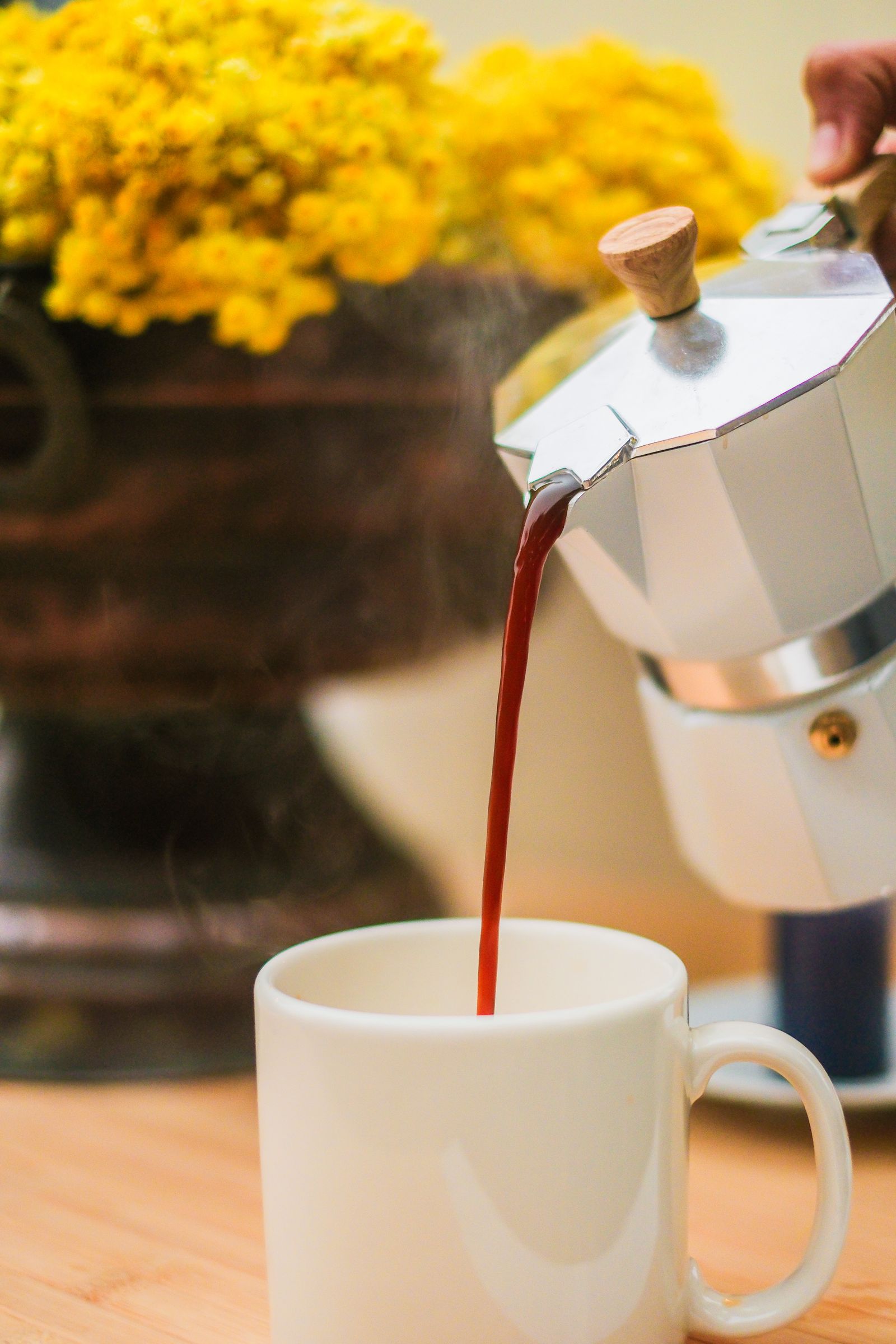
It has no electronics, no pump, and almost nothing to break. Its only ongoing cost is a $8.99 replacement gasket-and-filter-plate kit, which most daily users replace roughly once a year as the rubber seal hardens with heat cycles.
Bialetti Moka Pot: Pros and Cons
- Pro: No electricity, no pump — works on any gas or standard electric coil stovetop
- Pro: Brews multiple servings at once, unlike a single-serving AeroPress
- Pro: Nearly indestructible aluminum body; many owners report decades of daily use
- Con: No crema — it physically cannot reach espresso-machine pressure
- Con: Standard aluminum Moka Express is not induction-compatible
- Con: Easy to over-extract into bitterness if left on heat too long
AeroPress Original: The $40 Speed Champion
The AeroPress Original costs $39.95 direct from AeroPress and is the cheapest gear on this list by a wide margin. It’s a manual, plunger-style brewer: hot water and grounds sit in a chamber for under a minute, then hand pressure pushes the coffee through a paper micro-filter for a full-bodied, espresso-style concentrate.
AeroPress advertises a full brew-and-clean cycle in about two minutes, and the polypropylene body weighs well under a pound, according to the AeroPress product page. Filters run $9.95 for a 350-count pack — about 3 cents per brew — which AeroPress itself markets as “a year’s worth” of filters.
AeroPress Original: Pros and Cons
- Pro: Lowest equipment price of the three ($39.95)
- Pro: Brews and cleans up in about two minutes
- Pro: Virtually unbreakable plastic construction, travels anywhere
- Con: Single serving per press — no easy way to brew for two at once
- Con: Requires hand strength and consistent technique for repeatable results
- Con: Still not true crema-topped espresso, and there’s no built-in way to steam milk
De’Longhi Stilosa: The Only Way to Real Crema Under $150
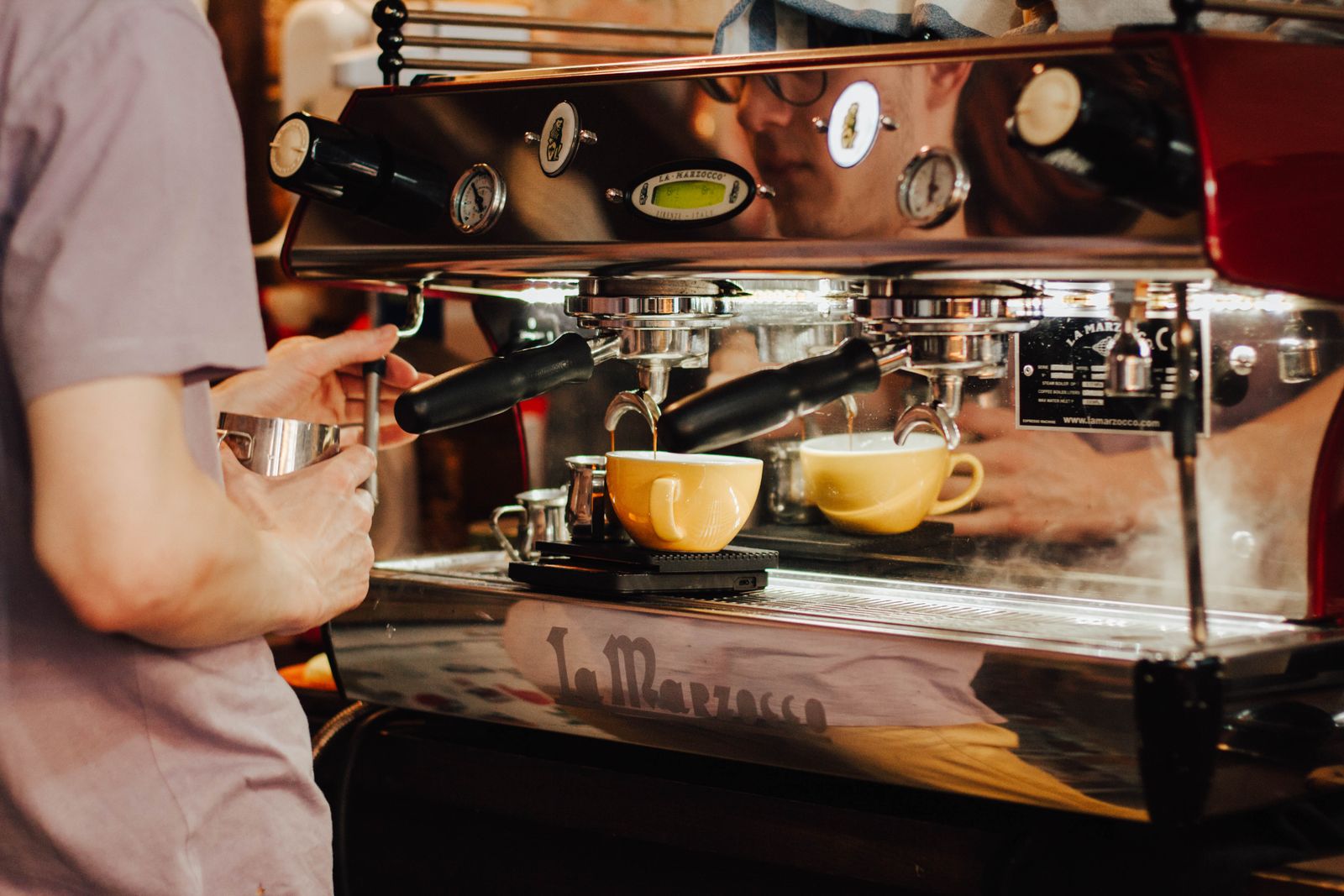
The De’Longhi Stilosa EC260BK, listed at $149.95 on delonghi.com, is the entry point for actual pressurized espresso in this comparison. It runs a 15-bar pump with a stainless-steel boiler, a 51mm portafilter with pressurized single/double baskets, and a manual steam wand for frothing milk.
Tom’s Guide called it “almost incomprehensibly affordable” for what it delivers, noting the steam wand is “remarkably powerful” enough to build microfoam with practice. The same review flagged the all-plastic housing as feeling “flimsy,” and specifically warned that the stock plastic tamper doesn’t properly fit the 51mm portafilter, recommending buyers budget for a metal replacement.
De’Longhi Stilosa: Pros and Cons
- Pro: The only method here that produces real pressurized crema
- Pro: Built-in steam wand for lattes and cappuccinos
- Pro: Stainless-steel boiler on a sub-$150 machine, per De’Longhi’s spec sheet
- Con: All-plastic housing and a “flimsy” group handle, per Tom’s Guide’s review
- Con: Stock tamper doesn’t properly fit its own portafilter, per the same review
- Con: Steepest learning curve and highest 5-year cost of the three
The 5-Year Cost-Per-Cup Math
Equipment price alone is misleading — consumables and coffee dominate the real cost over time. We modeled one 18g espresso-strength serving per day for five years (1,825 servings), pricing coffee at $9.457 per pound, the U.S. average for 100% ground roast coffee in June 2026 according to the Federal Reserve (FRED). We added each method’s real consumable costs: one Bialetti gasket kit per year for the moka pot, one paper filter per brew for the AeroPress, and an estimated $8/year in descaling solution for the Stilosa.
| Method | Equipment | 5-Yr Consumables | 5-Yr Coffee | 5-Yr Total | Cost Per Serving |
|---|---|---|---|---|---|
| AeroPress Original | $39.95 | $51.88 (filters) | $684.88 | $776.71 | $0.43 |
| Bialetti Moka Pot | $59.99 | $44.95 (gaskets) | $684.88 | $789.82 | $0.43 |
| De’Longhi Stilosa | $149.95 | $40.00 (descaler) | $684.88 | $874.83 | $0.48 |
The takeaway: the AeroPress and moka pot land within a rounding error of each other at roughly $0.43 per serving, while the Stilosa costs about 12% more per cup over five years — the price of admission for real crema and steamed milk. Coffee itself, not gear, is the biggest line item in all three columns, which is why the equipment price gap barely matters once you’re a few months in.
Head-to-Head Spec Comparison
| Spec | Bialetti Moka Pot | AeroPress Original | De’Longhi Stilosa |
|---|---|---|---|
| Price | $59.99 | $39.95 | $149.95 |
| Brew time | ~5 minutes | ~2 minutes | ~1 minute (plus warm-up) |
| Power source | Stovetop (gas/electric) | None (manual) | Electric, 1100W |
| True crema? | No | No | Yes |
| Milk frothing | No | No | Yes (steam wand) |
| Servings per brew | 3-4 | 1 | 1-2 |
| Body material | Aluminum | Polypropylene | Plastic / stainless boiler |
So, What’s the Cheapest Way to Make Espresso at Home?
For most people, the AeroPress Original is the decisive pick: it’s the cheapest to buy, the cheapest to run, the fastest to clean, and it’s nearly impossible to break. It’s the clearest answer to “what’s the cheapest way to make espresso at home” if you’re brewing solo and don’t need milk drinks.
Choose the Bialetti moka pot instead if you regularly need 2-4 servings from a single brew — its stovetop batch capacity is a real advantage the single-serving AeroPress can’t match, at nearly identical long-term cost. Choose the De’Longhi Stilosa only if steamed milk or true crema is a dealbreaker for you; it’s a legitimate machine for the price, but its plastic build quality and ill-fitting stock tamper, both flagged by Tom’s Guide, are the real trade-offs for that extra $100 over five years.
If you already own a good burr coffee grinder, all three methods perform noticeably better with fresh-ground beans versus pre-ground. And if milk drinks and a completely different automation trade-off matter more to you than upfront price, our full manual vs. super-automatic vs. pod espresso comparison covers machines well above this budget tier. For more everyday brewing options, browse the rest of our coffee and espresso coverage.
How We Compared
We did not physically test these three products for this comparison. Instead, we built this guide from manufacturer specifications published by Bialetti, AeroPress, and De’Longhi; current retailer pricing at Target, AeroPress.com, and delonghi.com; published expert reviews such as Tom’s Guide’s Stilosa review; verified owner feedback patterns on reliability and consumable replacement cycles; and U.S. government coffee pricing data from the Federal Reserve (FRED). All cost math above uses those sourced prices, not estimates.
This guide follows the PicksWeTrust editorial standards and was compiled by the PicksWeTrust Editorial Team. Prices are approximate, current as of publication, and change frequently — confirm the latest price with the retailer before buying.
FAQ
Is a moka pot the same as espresso?
No. A moka pot produces strong, concentrated coffee using steam pressure, but it can’t reach the roughly 9 bars of pressure a real espresso machine uses, so it never develops true crema.
Can an AeroPress make real espresso?
No, but it can make an “espresso-style” concentrate close in strength when brewed with less water and a fine grind. AeroPress itself markets the device this way rather than claiming true crema-topped espresso.
Is the De’Longhi Stilosa worth $150 for a beginner?
Yes, if real crema and steamed milk matter to you — it’s the only one of these three that delivers both. Just budget for a better tamper, since Tom’s Guide found the stock plastic tamper doesn’t properly fit its own portafilter.
What’s the cheapest way to make espresso at home?
The AeroPress Original is the cheapest way to make espresso-style coffee at home, both to buy ($39.95) and to run over five years (about $0.43 per serving), based on our cost modeling above.
Does a moka pot or AeroPress last longer?
Both are built to last many years with minimal parts to fail. The moka pot’s aluminum body typically outlasts its rubber gasket, which needs periodic replacement; the AeroPress’s plastic body has no wearing seal at all beyond its disposable paper filters.
