Some links on our site may earn us a commission at no extra cost to you. Learn more.
Published July 13, 2026 · Updated July 13, 2026 · PicksWeTrust Editorial Team
The short answer: in the Traeger Woodridge vs Weber Searwood 600 vs Pit Boss Sportsman 850 matchup, the Weber Searwood 600 is the pick for most backyards because it’s the only one of the three that reaches a true 600°F with direct-flame searing — it grills like a grill and smokes like a smoker. Choose the Traeger Woodridge if low-and-slow smoking, the best app, and a 10-year warranty matter more than searing, and choose the Pit Boss Sportsman 850 if you want the most cooking space per dollar.
Our picks at a glance
- Best overall: Weber Searwood 600 — 180–600°F range and DirectFlame searing make it the most versatile cooker here for one price.
- Best for smoking purists: Traeger Woodridge — huge 860 sq in of space, the most polished app, easy cleanup, and an industry-best 10-year warranty.
- Best budget: Pit Boss Sportsman 850 — nearly Traeger-sized capacity with slide-plate flame searing, typically $200–$300 less than the Woodridge.
How do these three pellet grills stack up on paper?
| Traeger Woodridge | Weber Searwood 600 | Pit Boss Sportsman 850 | |
|---|---|---|---|
| Price (at publish) | $899.99 | $899 (list $999) | Typically $200–$300 under the Traeger |
| Cooking area | 860 sq in | 648 sq in | 849 sq in |
| Temp range | 180–500°F | 180–600°F | 180–500°F |
| Direct-flame sear | No | Yes (full-grate zone) | Yes (slide plate) |
| Hopper | 24 lb | 20 lb | 21 lb |
| WiFi app | WiFIRE (best in class) | Weber Connect | Yes (more basic) |
| Warranty | 10 years | 5 yr cookbox / 3 yr electrics | 5 years |
Grill pricing swings hard around summer holidays — all three saw discounts this season — so confirm current prices before buying. Now, what the table can’t tell you.
How we compared
We built this comparison from long-term owner feedback across grilling communities and retailer reviews, reliability patterns that show up after a season or two of weekly cooks (temperature swings, auger jams, controller failures), manufacturer specs, and the consensus of experienced barbecue reviewers who have cooked on all three brands. We don’t claim to have smoked briskets on these ourselves, and we flag genuine disagreements where they exist rather than sanding them off. Our full approach is on our editorial standards page.
Can any of them actually sear a steak?
This is the question that decides the whole comparison, because it’s where the three genuinely differ. Traditional pellet grills are wood-fired convection ovens: superb at 225°F brisket, mediocre at putting a crust on a ribeye. Two of these three fight that limitation; one doesn’t.
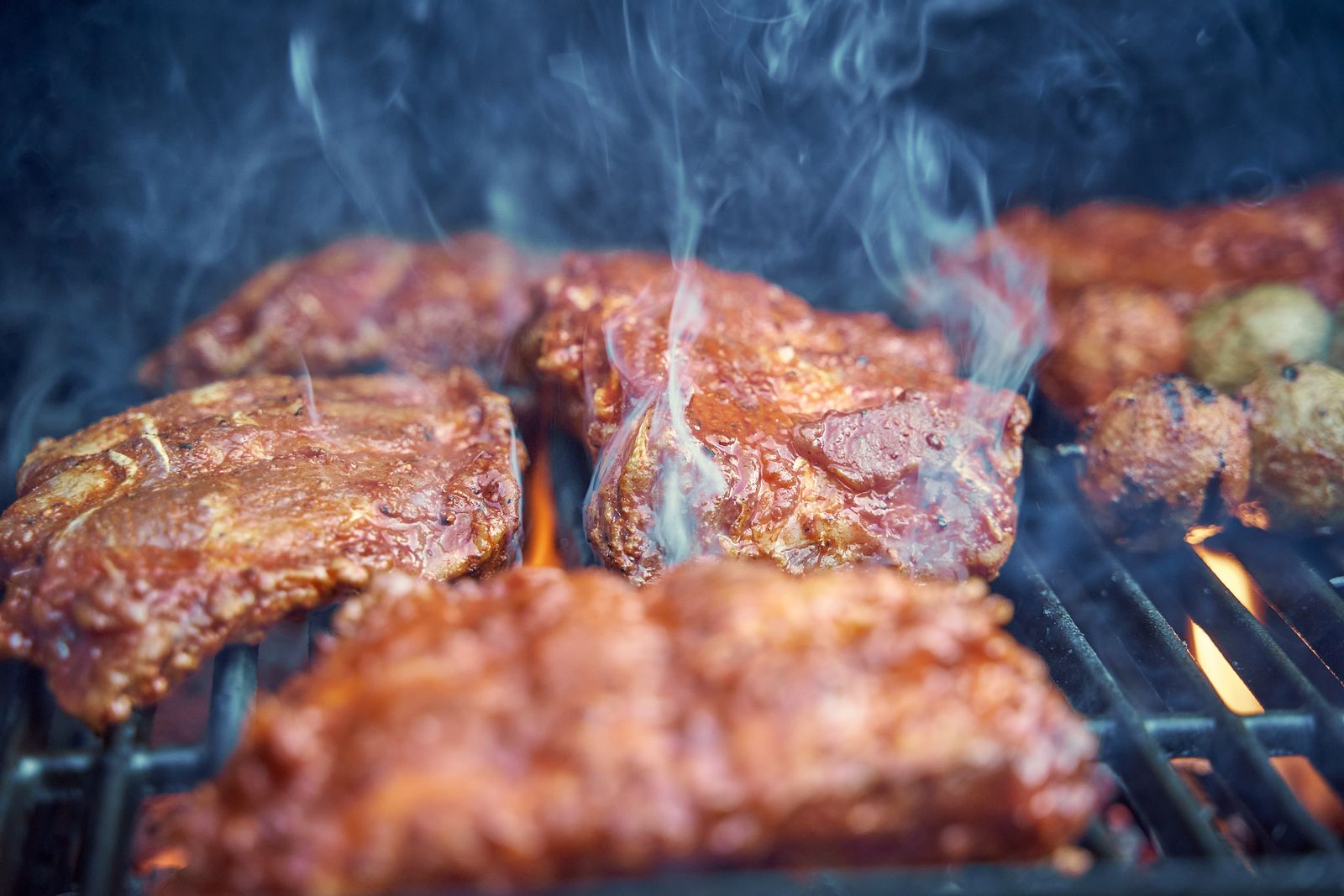
The Weber Searwood is the standout, and we’ll say it plainly: its 600°F ceiling with a full-grate DirectFlame zone is the hero feature of this entire matchup. It reaches temp in about 15 minutes and puts real sear marks on meat without a separate gas grill on standby. Long-term owners consistently report it’s the pellet grill that finally let them sell their second grill.
The Pit Boss Sportsman 850 takes the middle path: it tops out at 500°F, but a slide-plate opens the deflector to expose food to live flame, which gets you a legitimate char at the center of the grate. It’s less refined than Weber’s system — the hot zone is smaller and less even — but it works, and it comes on a grill that costs meaningfully less.
The Traeger Woodridge doesn’t sear, full stop. It’s capped at 500°F with no direct-flame access, and Traeger’s answer — a propane side-sear station — only arrives on the $1,799.99 Woodridge Elite. If crusty steaks are part of your weekly rotation, that’s the Woodridge’s dealbreaker; if your grill life is ribs, pulled pork, wings, and weeknight chicken thighs, you’ll never miss it.
Which produces the best smoke flavor and low-and-slow results?
Here the Traeger and Weber trade blows, and honest reviewers land on both sides. The Woodridge line holds rock-steady temps and produces deep, even smoke rings; stepping up to the Woodridge Pro ($1,149.99) adds Super Smoke mode, which noticeably intensifies flavor at low temps — worth knowing, because the base Woodridge is the mildest-smoking grill of this group. Weber’s SmokeBoost setting does the same job on every Searwood at no upcharge, and testers have described rotisserie results off the Searwood as some of the best-flavored pellet cooking they’ve had. The Pit Boss smokes perfectly competently — nobody complains about flavor — but its controller holds temperature in coarser steps, so expect slightly wider swings in cold or windy weather.
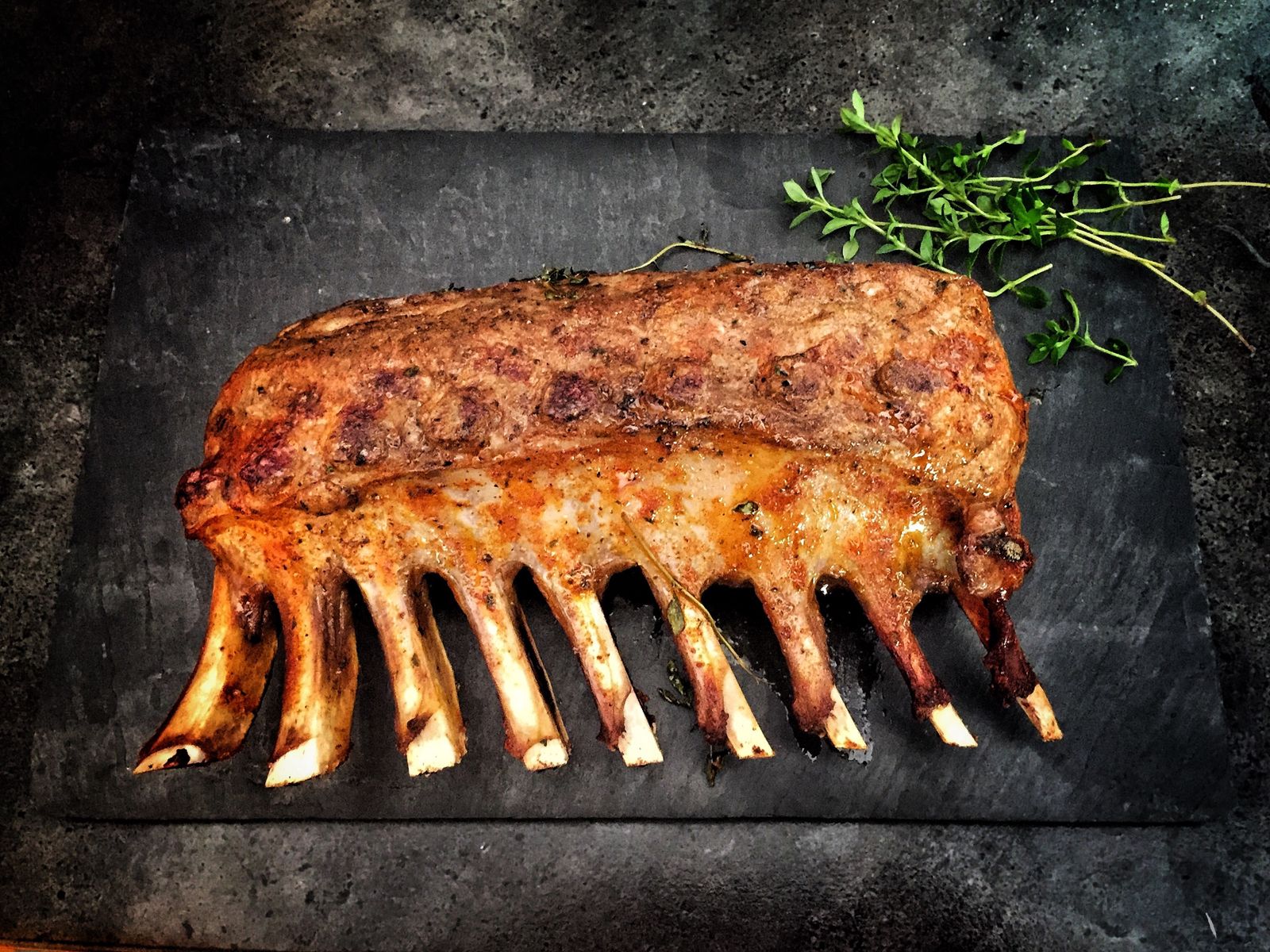
Capacity matters for smoke days too: 860 square inches on the Traeger and 849 on the Pit Boss swallow multiple pork butts or rib racks, while the Weber’s 648 is enough for a family and guests but tight for a big cookout. If you routinely feed a crowd, that’s the Searwood’s real limitation — more than any spec on its controller.
What about build quality, apps, and living with them?
Traeger wins the ownership experience. The WiFIRE app is the most polished in the industry — reliable remote control, a deep recipe library, and precise 5°F adjustments — and the Woodridge’s EZ-Clean grease-and-ash keg makes cleanup genuinely less annoying, which matters more than it sounds after your tenth cook. Its 24-pound hopper is the largest here, and the 10-year warranty is the longest in the category by a wide margin. Build-wise it’s solid double-walled steel with a premium feel.
The Weber is well made but single-walled and lighter, which is friendlier to move around a patio yet gives up some insulation in winter cooking; its Weber Connect app is simpler than Traeger’s but dependable. The Pit Boss is heavy-gauge steel and feels sturdier than its price suggests, and it includes front and side shelves that Traeger sells as add-ons — but its app and controller are the most basic of the three, and its 5-year warranty is half of Traeger’s. None of these differences are dealbreakers; they’re the texture of ownership. One safety note that applies to all three: pellet grills manage live fire and grease, so follow the manufacturer’s cleaning schedule and placement guidance rather than anyone’s shortcuts, ours included.
Pros and cons at a glance
Traeger Woodridge
- Pros: biggest cooking area and hopper; best app; easiest cleanup; 10-year warranty; steady low-temp performance.
- Cons: no searing on base or Pro models; mildest smoke flavor until you pay up for Super Smoke; shelves cost extra.
Weber Searwood 600
- Pros: only true 600°F sear here; fast 15-minute heat-up; SmokeBoost included; expandable with rotisserie and griddle accessories; often the same price as the Traeger.
- Cons: smallest cooking area (648 sq in); single-wall body; shortest effective warranty of the trio.
Pit Boss Sportsman 850
- Pros: near-flagship capacity for hundreds less; slide-plate flame searing; shelves included; sturdy heavy-gauge build.
- Cons: coarser temperature control; most basic app; 5-year warranty; louder fan than the other two by owner accounts.
So which pellet grill should you buy?
Buy the Weber Searwood 600 if you want one cooker to replace both a smoker and a gas grill and you’re feeding six or fewer most weekends. The sear capability is the feature the other two can’t answer at this price.
Buy the Traeger Woodridge if smoking is the whole point, you cook for crowds, and you value the warranty and app that make it the safest long-term ownership bet. Pair it with a gas grill or cast-iron pan for steaks and you have the strongest smoking setup here.
Buy the Pit Boss Sportsman 850 if budget leads your decision. You give up app polish and warranty years, not cooking ability — and the money saved buys a season of pellets and brisket.
Cooking away from the patio? Our Weber vs Blackstone vs Coleman portable grill comparison covers the take-anywhere options. Whatever you smoke, a good probe matters — see our instant-read vs leave-in vs smart meat thermometer face-off — and for keeping the drinks and the packer brisket cold, there’s our hard vs soft vs electric cooler comparison. More backyard matchups live in our Beach & Backyard category.
Frequently asked questions
Is a pellet grill worth it over a gas grill?
If you mostly cook burgers and dogs in 20 minutes, gas is still simpler and cheaper. Pellet grills earn their price when you want real wood-smoke flavor and set-and-forget temperature control for long cooks — and the Searwood’s 600°F ceiling now covers most of what gas did.
Do I need the Traeger Woodridge Pro instead of the base model?
The Pro’s $250 premium buys Super Smoke mode, a side shelf, and 970 square inches. If smoke flavor is why you’re buying a Traeger, owner consensus says Super Smoke is the single most worthwhile upgrade in the lineup; the base Woodridge runs noticeably milder.
How much do pellets cost to run?
Expect roughly one to three pounds of pellets per hour depending on temperature and weather — low smoking sips fuel, 500°F+ burns it fast. All three grills use standard hardwood pellets, so fuel cost is effectively a tie and shouldn’t drive your choice.
We revisit this comparison as prices and model lineups change. Last reviewed by the PicksWeTrust Editorial Team on July 13, 2026.