Some links on our site may earn us a commission at no extra cost to you. Learn more.
Most headphone advice starts with brands. The earbuds vs over-ear headphones vs open-ear question comes first, though, because the form factor decides what a headphone can even attempt: earbuds win on pocketability and gym-proofing, over-ears win on noise canceling and marathon battery, and open-ears win whenever hearing the world around you is part of the job. Pick the type that matches the hours of your day, and the brand question mostly answers itself.
To keep this concrete, we anchor each type with two verified current models — a flagship and a budget pick — rather than arguing in the abstract. Prices and battery figures below come from the manufacturers’ own published specs and named independent testing, checked this week.
Where each type wins, in one look
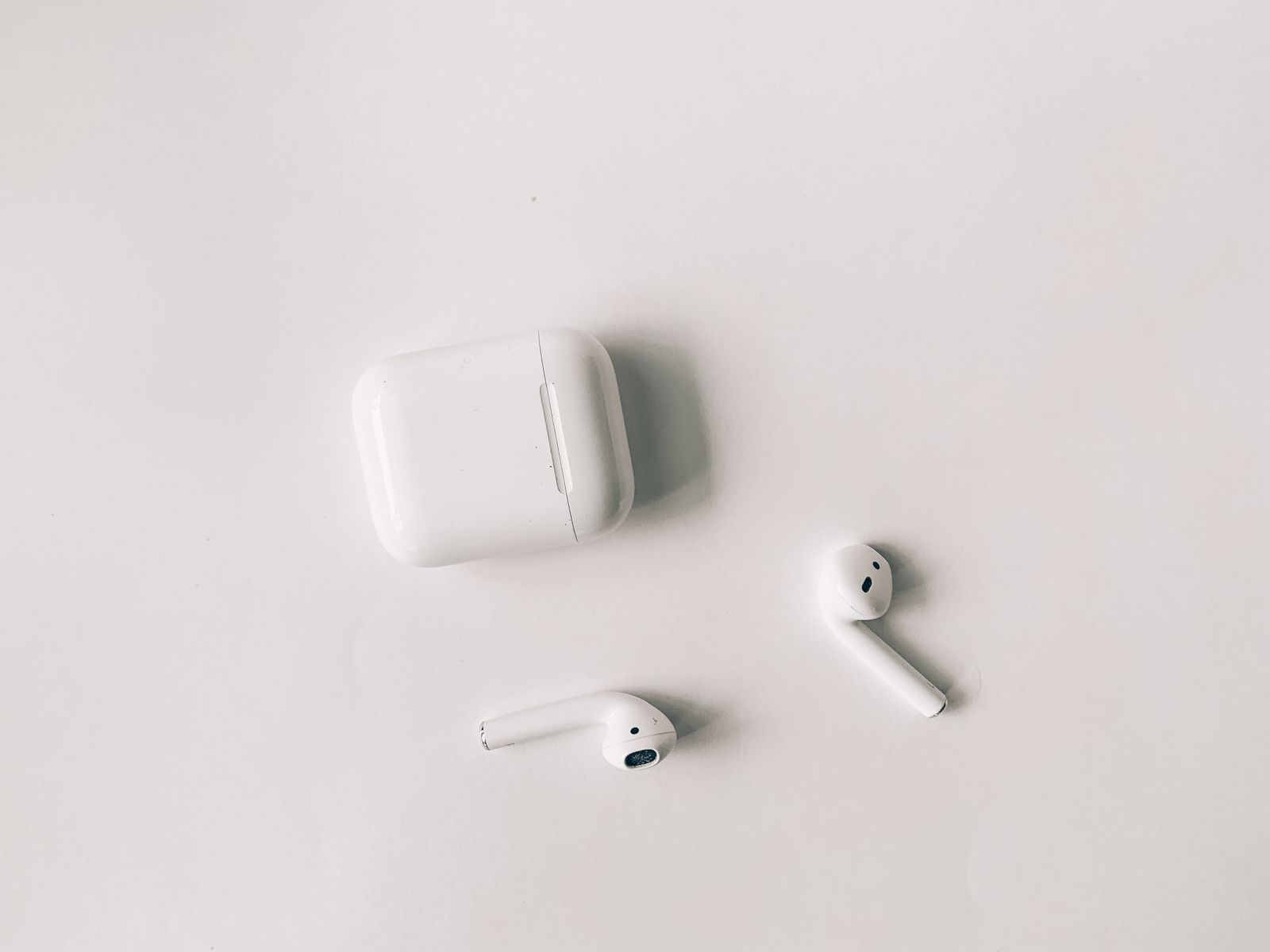
- Best for most people: earbuds — the only type that lives in a pocket, survives sweat, and disappears on video calls; the AirPods Pro 3 is the reference point
- Best for flights, commutes, and deep-work days: over-ear — the Sony WH-1000XM6 out-silences and outlasts every earbud made
- Best for runners, cyclists, and parents on call: open-ear — the Shokz OpenFit 2 keeps your ears open to traffic and toddlers alike
- Best budget move in any lane: Soundcore — its Space A40 earbuds and Space One over-ears deliver most of the experience at a fraction of the flagship price
Six current models, side by side
| Model | Type | List price | Battery (buds/headset) | Total with case | Water rating |
|---|---|---|---|---|---|
| Apple AirPods Pro 3 | Earbuds (ANC) | $249 | 8 hrs with ANC | 24 hrs | IP57 |
| Soundcore Space A40 | Earbuds (ANC) | $79.99 | 10 hrs | 50 hrs | IPX4 |
| Sony WH-1000XM6 | Over-ear (ANC) | $449.99 | 37 hrs 14 min with ANC, as measured by SoundGuys | — | None |
| Soundcore Space One | Over-ear (ANC) | $99.99 | 40 hrs with ANC | — | None |
| Shokz OpenFit 2 | Open-ear | $179.95 | 11 hrs | 48 hrs | IP55 |
| Bose Ultra Open Earbuds | Open-ear | $199 (from $299) | 7 hrs (4 with Immersive Audio) | 26.5 hrs | IPX4 |
Sources for those figures: Apple’s published AirPods Pro 3 tech specs, Soundcore’s product listings, Sony and Bose pricing and battery measurements from SoundGuys’ flagship testing, Bose’s own Ultra Open product page, and Shokz’s OpenFit 2 listing. Street prices move constantly — the A40 in particular is routinely discounted below $60, per PhoneArena’s deal tracking — so treat the relationships between models as the durable fact.
The dollars-per-listening-hour table nobody prints
Here is this page’s original math. Divide each model’s list price by the total hours it plays on one full charge cycle — buds plus case where a case exists — and you get the price of each untethered hour, a number no spec sheet publishes:
| Model | Hours per full cycle | Price per untethered hour |
|---|---|---|
| Soundcore Space A40 | 50 | $1.60 |
| Soundcore Space One | 40 | $2.50 |
| Shokz OpenFit 2 | 48 | $3.75 |
| Bose Ultra Open | 26.5 | $7.51 |
| Apple AirPods Pro 3 | 24 | $10.38 |
| Sony WH-1000XM6 | 37.2 (measured) | $12.10 |
Read it as a hardware-value lens, not a cost-of-ownership claim — every model recharges, after all. What it exposes is how steep the flagship premium really is: an hour of freedom from the charger costs six to eight times more on the Sony or Apple flagships than on Soundcore’s budget pair. That premium buys real things — the best noise canceling made, hearing-health features, ecosystem tricks — but the table is why our budget picks are not consolation prizes.
Which headphone type is best for commuting and flights?
Over-ear, and it is not close. Big earcups fit bigger drivers, bigger batteries, and microphones on both sides of the cup, which is why SoundGuys measured the WH-1000XM6 cutting average loudness by 87% — with the Bose QuietComfort Ultra a hair behind at 85%, and every earbud further back. Thirty-plus hours also means a week of commutes or the longest flight you can book, no case required.

The honest trade: over-ears are the least portable type here, they press on ears in summer heat, and none of these carry a water-resistance rating, so they are the wrong tool for workouts. If $449.99 is absurd for your commute, the Space One delivers 40 ANC-on hours for $99.99 and most of the hush; our flagship headphone face-off covers the top tier in depth.
Which type earns the gym bag and the video calls?
Earbuds are the default for good reason: they are the only type that does everything acceptably. The AirPods Pro 3’s IP57 rating — dust-tight and submersion-resistant, per Apple’s spec sheet — makes it the most workout-proof ANC earbud Apple has shipped, and its heart-rate sensing during workouts is a feature no over-ear offers. On calls, nothing looks or sounds more natural on camera than a discreet bud.
Their weakness is endurance arithmetic: eight hours per charge means the case is not optional, and a lost case is a lost product. Budget buyers should note the Space A40 actually out-lasts the Apple per charge and per cycle; what you give up is transparency-mode quality, call-mic polish, and the Apple ecosystem glue — trade-offs our under-$100 earbuds ranking explores across four budget brands.
Who should actually buy open-ear?
Anyone whose listening happens alongside something they need to hear: road runners and cyclists tracking traffic, parents keeping an ear on kids, office workers who hate being tapped on the shoulder. Open-ear designs rest outside the ear canal — Shokz hangs the OpenFit 2 on a featherweight hook, Bose clips the Ultra Open to the edge of your ear like a cuff — so awareness is built into the architecture, not toggled through microphones.

The trade is isolation: there is none, by design. Bass is thinner than sealed buds, loud environments swallow detail, and neither model offers ANC because canceling noise would defeat the point. Between the two, the Shokz wins on battery (11 hours to Bose’s 7) and gym-proofing (IP55), while the Bose counters with the richer sound and its cuff design’s all-day comfort; our open-ear head-to-head settles that match in detail.
The two-type solution most people land on
Serious listeners rarely own one type — they own the right two. The most common pairings: earbuds plus over-ear for the commuter who flies (pocket convenience daily, maximum silence airborne), and earbuds plus open-ear for the runner (isolation at the desk, awareness on the road). The per-hour table above makes the second purchase easier to justify than it looks — a Space A40 or Space One as the second device adds under $100.
What we would not do is buy two flagships. The second type’s job is situational, and the budget picks in this comparison cover situational duty with room to spare.
How we compared
We compared the three form factors on the jobs headphones actually do — isolation, awareness, portability, endurance, durability ratings, and call behavior — anchored to six current models whose specs we verified against manufacturer listings (Apple, Soundcore, Bose, Shokz) and independent measurements from SoundGuys, alongside the consistent themes in long-term owner feedback. The per-hour table is our own arithmetic on those published figures. We claim no hands-on lab testing of our own; our process is documented in our editorial standards, and more matchups live in our Audio section.
Questions buyers actually ask
Are earbuds or over-ear headphones better for your ears?
Volume habits matter more than form factor. Good noise canceling, in either type, is the practical hearing-friendly feature because it lets you listen at lower volumes in loud places rather than turning music up to drown them out. If you notice ringing after sessions or already listen loud, mention it to an audiologist rather than shopping around it.
Do open-ear headphones leak sound to people nearby?
Some, yes — at moderate volumes both current designs stay private in normal rooms, with Shokz’s DirectPitch and Bose’s OpenAudio tech aiming sound into the ear rather than at the room. In a silent office at high volume, a neighbor will hear a whisper of it. Podcasts leak less noticeably than bass-heavy music.
Is expensive noise canceling worth it over budget ANC?
For frequent flyers and open-office workers, usually — flagship ANC handles voices and mid-range clatter that budget ANC lets through, and that difference is exactly where daily annoyance lives. For occasional use, budget ANC like the Space A40’s cancels the low-frequency drone that matters most, at a fifth of the price.
Which type is best for sleeping?
None of these six, honestly — over-ears fight the pillow, and most earbuds press into a side-sleeper’s ear. If nighttime noise is the real problem, a dedicated bedside machine solves it without wearing anything; our white noise machine match-up compares the main contenders by sleeper type.
Bottom line
Buy the type your day demands before you argue brands. Earbuds — AirPods Pro 3 if the budget allows, Space A40 if it doesn’t — are the right single answer for most people. Add or substitute the Sony WH-1000XM6 (or the $99.99 Space One) when flights and open offices dominate, and the Shokz OpenFit 2 or Bose Ultra Open when the run, the ride, or the kids mean your ears can’t clock out. The form factor does the heavy lifting; the logo just signs the work.