Some links on our site may earn us a commission at no extra cost to you. Learn more.
Every organizing project starts the same way: a pile of stuff, a burst of motivation, and a trip to buy containers. And that is where most projects quietly go wrong. People buy whatever bins are on sale, discover six months later that sweaters smell musty, holiday ornaments cracked in the garage, or the living room looks like a stockroom — and conclude that organizing “doesn’t work for them.” The containers were simply wrong for the job.
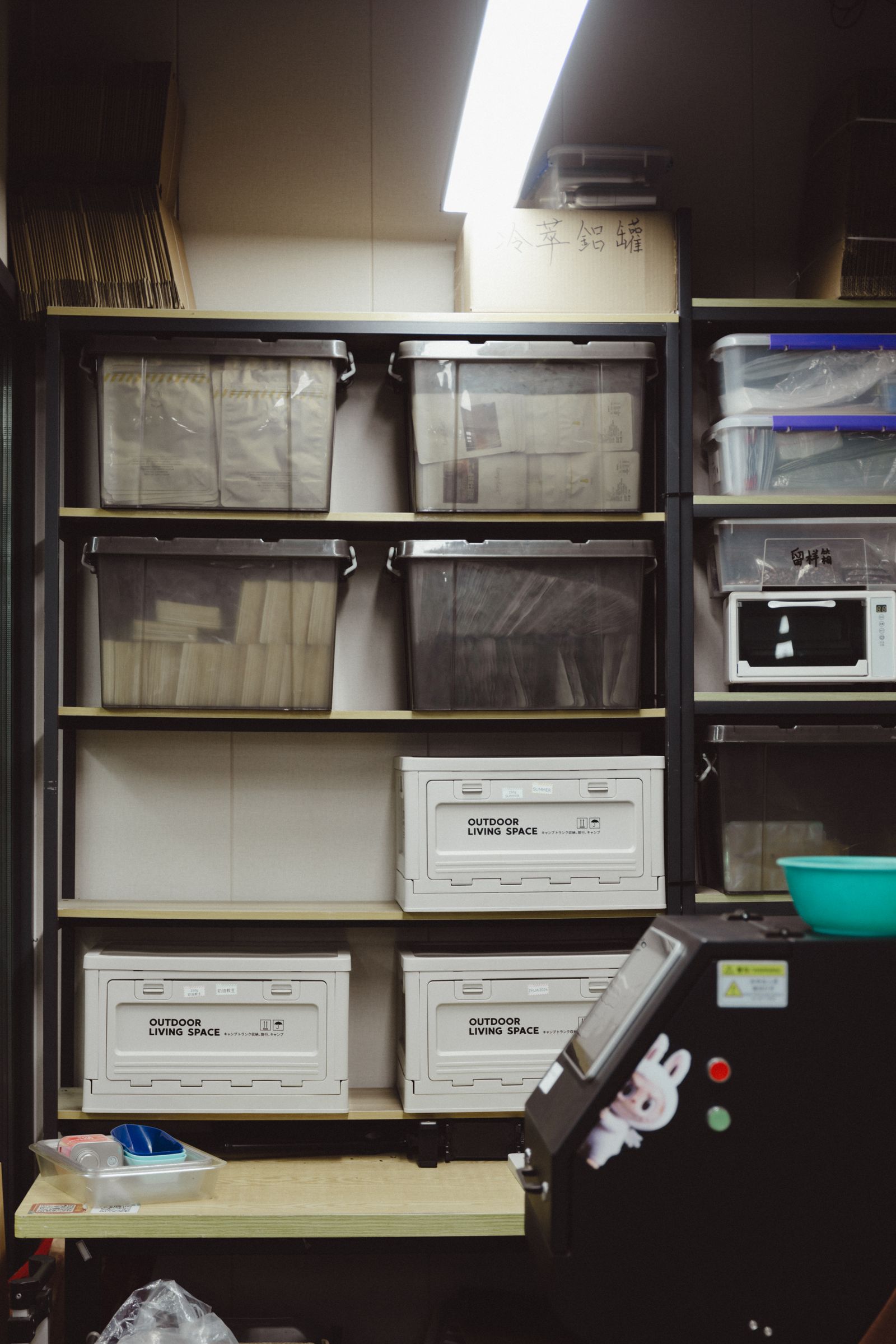
The storage aisle really comes down to three archetypes. Clear plastic bins let you see contents at a glance and stack reliably. Fabric cubes hide clutter attractively inside living spaces. Weathertight totes — the ones with gasket-sealed lids and latching handles — protect valuables from moisture, dust, and pests in garages, basements, and attics. Each does its own job brilliantly and the others’ jobs poorly.
Quick answer: use clear bins for anything you need to find again, fabric cubes for everyday items in rooms guests see, and weathertight totes for anything valuable or vulnerable stored anywhere temperature and humidity swing.
Our verdict at a glance
- Best overall: Clear plastic bins — the versatile default for closets, shelves, and seasonal rotation
- Best budget: Fabric cubes — cheap, collapsible, and good-looking on open shelving
- Best upgrade: Weathertight totes — the only choice here that truly protects what is inside
- Best for living spaces: Fabric cubes — clutter disappears without looking like storage
- Best for garages, attics, and basements: Weathertight totes, no contest
How the three types compare
| Attribute | Clear bins | Fabric cubes | Weathertight totes |
|---|---|---|---|
| Visibility of contents | Excellent | None | Poor to fair |
| Protection from moisture and pests | Fair | Poor | Excellent |
| Stacking strength | Good | Poor | Excellent |
| Looks in living areas | Utilitarian | Attractive | Utilitarian |
| Durability | Good, lids crack first | Fair, sagging over time | Excellent |
| Price tier | $$ | $ | $$$ |
Clear plastic bins: the findability champion
The humble clear bin is the workhorse of home organization, and its superpower is stated in its name: you can see what is inside without opening anything. That single property eliminates the failure mode that kills most storage systems — the moment your containers become mystery boxes, you stop using them and start piling things beside them.
Where they win: retrieval and rotation. Seasonal clothes, craft supplies, kids’ toys in rotation, pantry overflow, cables and chargers — anything you need to locate more than once a year belongs in clear plastic. Uniform sizes stack cleanly on closet shelves, latching lids keep casual dust out, and the mid-tier $$ price makes outfitting a whole closet realistic.
Honest drawbacks: the standard snap-on lid is not a seal. In a damp basement or a garage with big temperature swings, clear bins let humid air in, and owners routinely discover mildew smells on stored textiles. Cheap versions turn brittle and crack — the most common complaint is a split corner or shattered lid after a couple of years, especially in cold storage areas. And a wall of clear bins in a living room looks like exactly what it is.
Who should buy them: anyone organizing interior closets, shelving units, playrooms, and craft areas — which is to say, almost everyone, for most jobs.
Who should skip them: people storing anything moisture-sensitive in garages, attics, or basements, and anyone whose storage will sit in plain view of guests.
Fabric cubes: the living-space diplomat
Fabric cubes exist to solve a social problem, not a storage problem: how to keep everyday clutter — remotes, toys, blankets, dog leashes, gym gear — inside the rooms where you live without those rooms looking like a warehouse. Slotted into a cube shelf or lined up under a console, they read as decor rather than storage.
Where they win: looks, price, and flexibility. At the $ tier they are the cheapest way to organize a room, they collapse flat when not needed, they are safe around small children in a way rigid plastic is not, and swapping colors is an instant room refresh. For daily-access items, an open-top cube is faster than any lidded bin — toss it in, done.
Honest drawbacks: fabric cubes protect nothing. They admit dust, moisture, and pests; they cannot stack more than one high with anything heavy inside; and because you cannot see contents, they become clutter amnesty boxes with remarkable speed. The most common complaint from owners is structural — sides bowing and bottoms sagging once the cube carries real weight. They are organizers for the stuff of daily life, not storage for the stuff of storage.
Who should buy them: families organizing living rooms, kids’ rooms, and entryways; renters and dorm dwellers; anyone prioritizing looks and price over protection.
Who should skip them: anyone storing things long-term, anything valuable, or anything in a garage, attic, or basement. That is not their job.
Weathertight totes: the protection specialist
Weathertight totes are the serious end of the aisle: rigid bodies, gasket-lined lids, and latches that compress the seal shut. They cost several times what an ordinary bin does, and for one specific class of storage they are worth every dollar — anything you would be upset to find wet, moldy, chewed, or dusty a few years from now.
Where they win: hostile environments. Garages, attics, basements, sheds, and vehicle cargo areas all swing between hot and cold, damp and dry, and all attract insects and rodents. A gasketed tote keeps holiday decorations, camping gear, photo albums, important documents, off-season clothing, and emergency supplies in the same condition you packed them. They also stack tall and rigid without crushing, and survive rough handling that cracks ordinary bins.
Honest drawbacks: price is the obvious one — outfitting a whole garage at the $$$ tier adds up fast. They are heavier than standard bins even empty, most are opaque or only semi-translucent so labeling is mandatory, and the latching lids make daily access slightly annoying, which is fine because nothing you access daily should live in one. Note that “weathertight” is not “waterproof”: they resist humidity, splashes, and dust, but are not made for submersion.
Who should buy them: anyone storing meaningful items outside climate-controlled space — which describes almost every garage and attic in the country.
Who should skip them: people organizing interior closets on a budget; inside your conditioned living space, clear bins deliver most of the benefit at a fraction of the cost.
Match the container to the job
The simplest way to shop the whole category is a two-question test. First: will this container live in climate-controlled space? If not, buy weathertight. Second: will I need to find things in it more than a couple of times a year? If yes, buy clear; if no — and it lives where people can see it — fabric is fine. Most homes end up needing all three types, just in different rooms, and the expensive mistake is using one type everywhere.
A room-by-room buying plan
Translating the two-question test into an actual shopping list is easier room by room. Bedroom closets take clear bins almost exclusively: seasonal clothing rotation, shoe overflow, and keepsakes you revisit all reward visibility, and shelf-friendly uniform sizes keep the stack stable. Living rooms and family rooms belong to fabric cubes — one per category of daily clutter (throws, remotes and chargers, toys, pet gear) is a better system than three giant catch-alls. Kids’ rooms split the difference: fabric cubes at floor level for daily toys, clear bins up high for rotation sets and outgrown clothes awaiting a hand-me-down.
The garage, attic, and basement get weathertight totes for anything with sentimental or replacement value — decorations, camping gear, documents, photos, electronics — plus, if budget demands, ordinary bins for genuinely low-stakes items like drop cloths and yard-sale inventory that a little humidity cannot hurt. Two habits make the whole system durable: label every opaque container on two sides before it leaves the room, and keep containers to a weight one person can comfortably lift onto a shelf. A storage system fails at its heaviest, least-labeled box, so those two rules do more for long-term success than any amount of extra spending.
How we compared
We evaluated the three container types on the attributes that decide whether a storage system still works a year after you set it up: content visibility, protection from moisture, dust, and pests, stacking strength, durability through seasonal handling, appearance in shared spaces, and cost per container at typical $, $$, and $$$ tier pricing. Our judgments reflect how each type performs across the many brands that make them, weighted by the recurring themes in long-term owner feedback — cracked lids, sagging fabric, musty textiles — rather than how any one product performs fresh out of the package. You will find the rest of our home comparisons in the Home & Living category; if your organizing spree extends to the linen closet, our bed sheet fabric comparison pairs well with this guide.
Frequently asked questions
Are weathertight totes worth the extra cost?
For anything stored in a garage, attic, basement, or shed — yes. The premium buys a gasket seal and latching lid that ordinary bins simply do not have, and replacing one box of ruined keepsakes costs more than the tote ever did. Inside climate-controlled closets, they are usually overkill.
Can I store clothes in plastic bins long-term?
Yes, with two caveats: the clothes must be completely clean and dry when packed, and the bin should live in conditioned space. In humid or temperature-swinging areas, trapped moisture leads to mildew — that environment calls for a gasketed weathertight tote, ideally with a desiccant packet inside.
Why do my fabric cubes sag?
Weight, mostly. Fabric cubes are built around thin stiffener panels that bow under heavy loads like books or tools. Keep them for light, bulky items — textiles, toys, paper goods — and reserve rigid bins for anything dense, and they hold their shape far longer.
Is it safe to stack storage bins high?
Rigid bins stack safely three or four high if the heaviest are on the bottom and the lids lock or nest properly. Weathertight totes stack the tallest thanks to rigid walls. Fabric cubes should not carry weight at all — one high, or in a cube shelf, only.
What size bin should I buy?
Smaller than you think. A few medium bins beat one giant bin for nearly every job: they are lighter to lift, easier to shelve, and force better sorting. Oversized bins invite heavy, jumbled loads — the classic sign is a huge tote you dread opening because everything is buried inside it. The exception is bulky, light items like comforters and sleeping bags, where a single extra-large container earns its place because nothing inside it weighs much.
Bottom line
There is no single best storage container — there is a best container for each location in your home. Buy clear bins as your default for interior closets and anything you rotate, fabric cubes for the everyday clutter of rooms you live in, and weathertight totes for everything consigned to the garage, attic, or basement. Spend your money where the environment is hostile and save it where the environment is kind, and your organizing project will still be working — visibly, dryly, and neatly — years from now.