Some links on our site may earn us a commission at no extra cost to you. Learn more.
Riding always carries fall risk. Fit a properly sized helmet every time, follow each bike maker’s age, weight, and assembly guidance, and use your own judgment about where your child rides.
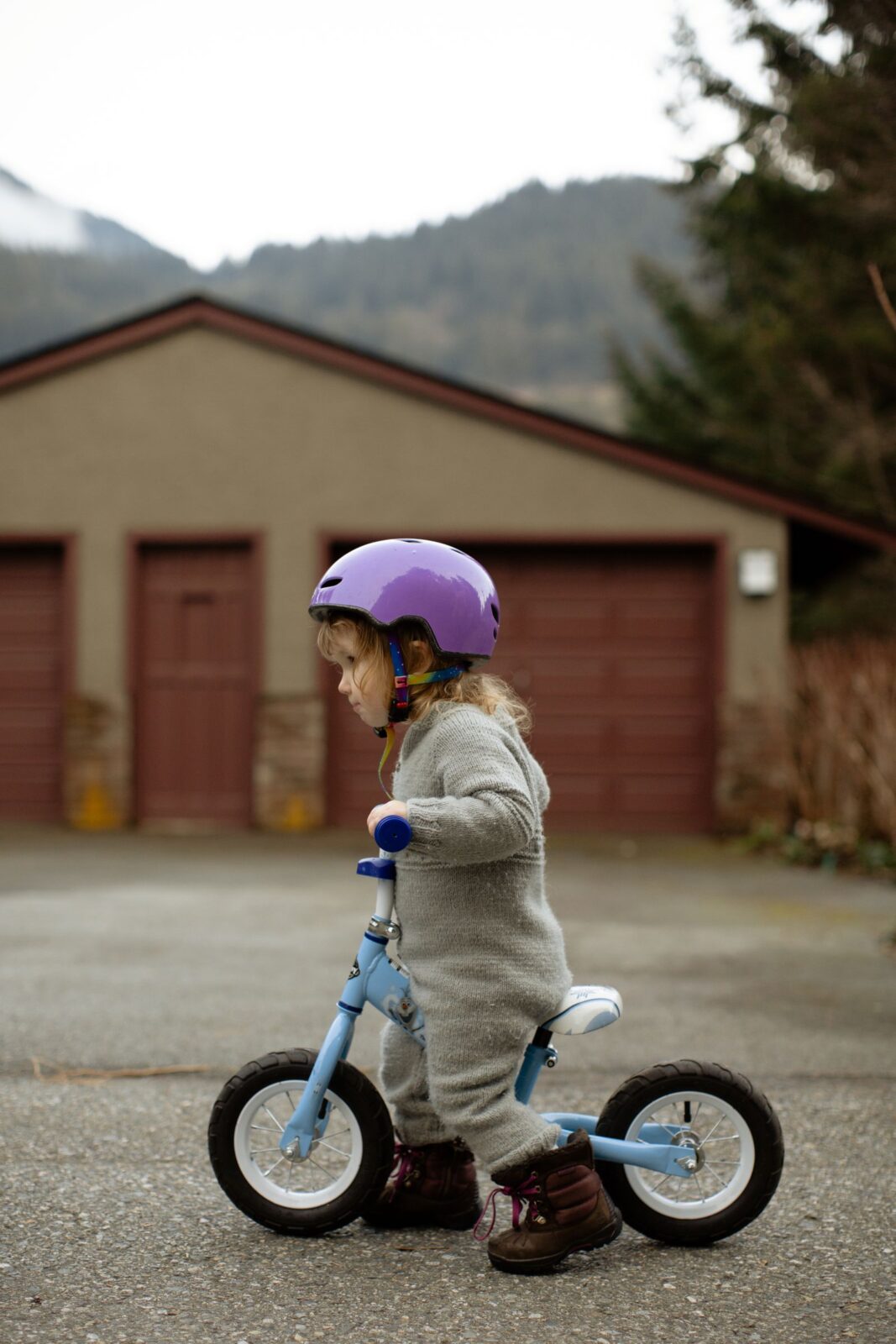
In the balance bike vs training wheels question, the balance bike wins for almost every toddler: it teaches balancing first — the actual hard part of cycling — so most kids skip training wheels entirely and pedal off around age 3 or 4, per Two Wheeling Tots’ comparison. Training wheels teach pedaling first and balancing never, which is why they so often end in a second learning curve at age 5 or 6. The convertible 2-in-1 is the budget-smart compromise: one frame that starts as a balance bike and accepts pedals later.
| Best overall | Strider 12 Sport ($169.99) | 6.7 lbs, seat drops to 11″, fits kids from age 1 — the default first bike for a reason. |
| Best budget path | Strider 14x Convertible ($249.99 + $89.99 pedal kit) | One purchase covers balance years and first pedal years. |
| Best upgrade | woom GO 1 ($249) | Lightest feel, 10.2″ minimum seat height gets the youngest riders started. |
Why do balance bikes beat training wheels?
Because balancing, not pedaling, is the skill that makes someone a cyclist. A child gliding on a balance bike is doing the hard thing from day one; a child on training wheels is pedaling a tricycle that looks like a bike. Two Wheeling Tots — the most-cited kids’ bike testing site — reports that balance-bike kids commonly transition to a pedal bike at 3 or 4 and are often “independently pedaling the first day,” no training wheels ever.
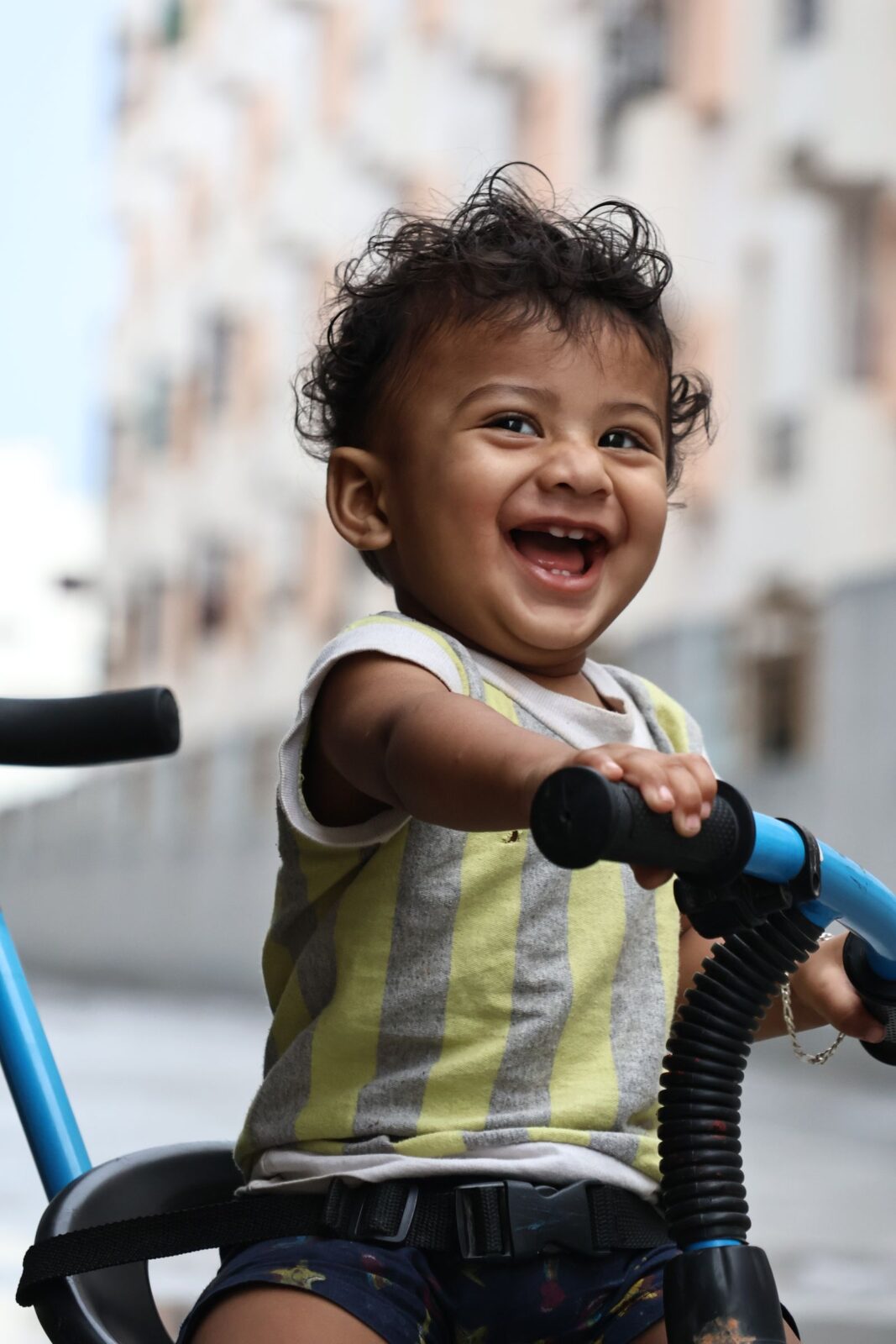
Weight seals it. Per Two Wheeling Tots, a Strider balance bike weighs about 6 pounds while a typical 12-inch pedal bike with training wheels weighs around 15 — a huge gap for a 25-pound rider. On the same scale, that’s like an adult choosing between a 40-pound bike and a 90-pound one.
When do training wheels still make sense?
Two honest cases. First, the child who starts late: a 5- or 6-year-old who never had a balance bike may find a balance bike babyish, and a short training-wheel stint (or better, removing the pedals from their pedal bike for a week) gets them there. Second, hand-me-down economics — if a training-wheel bike is free and money is tight, kids have learned this way for generations. Just plan on the second learning curve when the wheels come off.
Is a convertible 2-in-1 the best of both?
Financially, often yes. Strider’s 14x sells for $249.99 and its Easy-Ride pedal kit for $89.99 (both per Strider’s site, July 2026): the same frame carries a child from balance-gliding at 3 to genuine pedaling without buying a second bike. The catch is fit at the edges — a 14-inch frame is too big for most 18-month-olds, so the convertible suits families starting around age 3, not the youngest gliders. It’s also heavier than a dedicated balance bike, which matters exactly as long as your child is small.
The numbers side by side — including cost per riding year
Riding-year figures are our own math: manufacturer price divided by the age span each maker publishes for the product. It’s an estimate — kids grow at their own pace — but it exposes how differently these purchases amortize.
| Strider 12 Sport | woom GO 1 | Strider 14x + pedal kit | |
|---|---|---|---|
| Price (mfr. sites, July 2026) | $169.99 | $249 | $339.98 combined |
| Weight | 6.7 lbs | 6 lbs 6 oz | heavier (pedal-ready frame) |
| Seat height range | 11–17 in. | 10.2–13.9 in. | fits ~3–6 yrs per Strider |
| Maker’s age range | 1–4 yrs | 1.5–3.5 yrs | 3–6 yrs |
| Years of use (mfr. range) | ~3 | ~2 | ~3, spanning balance and pedal stages |
| Cost per riding year | ~$57 | ~$125 | ~$113 — but replaces two bikes |
The table’s quiet lesson: the Strider 12 Sport is the value anchor of the whole category, and the convertible only pencils out if you’d otherwise buy both a balance bike and a first pedal bike at full price.
What actually separates the two balance bikes?
Fit window and finish. The woom GO 1’s saddle drops to 10.2 inches (woom’s spec), nearly an inch lower than the Strider’s 11 — meaningful for a walking 18-month-old. The Strider answers with a 17-inch maximum seat height against the woom’s 13.9, so it fits for roughly an extra year on the top end, at $79 less. Both weigh within ounces of each other. Pick the woom for a very young or petite starter; pick the Strider for the longer runway and better cost-per-year.
How we compared
We drew specs and prices from Strider’s and woom’s own product pages (July 2026), transition-age and weight findings from Two Wheeling Tots’ balance-bike-vs-training-wheels analysis, and aggregated parent feedback on how each path played out by kindergarten. We don’t ride-test toddler bikes ourselves, and we rank nothing here on safety — see our editorial standards for how we work.
Parents also ask
What age should a child start a balance bike?
Around 18 months for most kids, per Two Wheeling Tots — the practical test is whether the saddle at its lowest lets your child stand flat-footed, which is why minimum seat height is the spec to check first.
Can you just remove the pedals from a regular kids’ bike?
Yes — pedals unthread and the bike becomes a heavy balance bike, a popular trick for older beginners. The weight and higher seat make it a compromise for toddlers, which is what dedicated balance bikes exist to solve.
How long does the balance-to-pedal transition take?
Often astonishingly little — Two Wheeling Tots reports many balance-bike kids pedal independently the first day on a pedal bike. The gliding years did the teaching already.
Is a used balance bike fine?
Usually a great buy — there’s little to wear out beyond tires and headset. Check the seat clamp and grips, and confirm the model’s original age and weight guidance still matches your child.
Kitting out the same age group? See our magnetic tiles vs. LEGO vs. wooden blocks face-off for rainy days, play kitchen vs. workbench vs. sensory table for the playroom, and swing set vs. trampoline vs. climbing dome for the yard the bike will circle. More in Toys & Learning.