Some links on our site may earn us a commission at no extra cost to you. Learn more.
The pegboard vs slatwall vs track-system decision comes down to what you’re hanging. Screwdrivers and paint brushes belong on pegboard; bikes, ladders, and hose reels belong on a steel track rail; slatwall is the premium middle path that does both while looking like a showroom. Match the system to the weight of your gear and you’ll only buy once.
| Best overall | Steel track rail system (Rubbermaid FastTrack, Gladiator GearTrack) | The highest rated capacity per dollar, and hooks reposition in seconds. |
| Best budget | Pegboard | The cheapest way to get a hundred small tools off the workbench. |
| Best upgrade | Slatwall panels | Whole-wall coverage, high ratings, and the cleanest finished look. |
The scorecard before the sales pitch
| Pegboard | Slatwall | Track rail | |
|---|---|---|---|
| Best at | Hand tools, craft gear | Whole-wall organization | Bikes, ladders, bulky gear |
| Rated strength | Low on 1/8″ hardboard; metal panels raise it | Up to 75 lbs per sq. ft. (Proslat’s published rating) | Up to 1,750 lbs per rail (Rubbermaid’s spec) |
| Entry cost | Lowest | Highest per wall | Low-mid |
| Install | Easiest — frame and hang | Most involved — leveling matters | Screw two rails into studs |
| Accessory cost | Cheap, universal hooks | Proprietary, adds up | Brand hooks, mid-priced |
| Weakness | Sags with weight and humidity | Price and install effort | Small tools waste rail space |
Pegboard vs slatwall: where the cheap option honestly wins
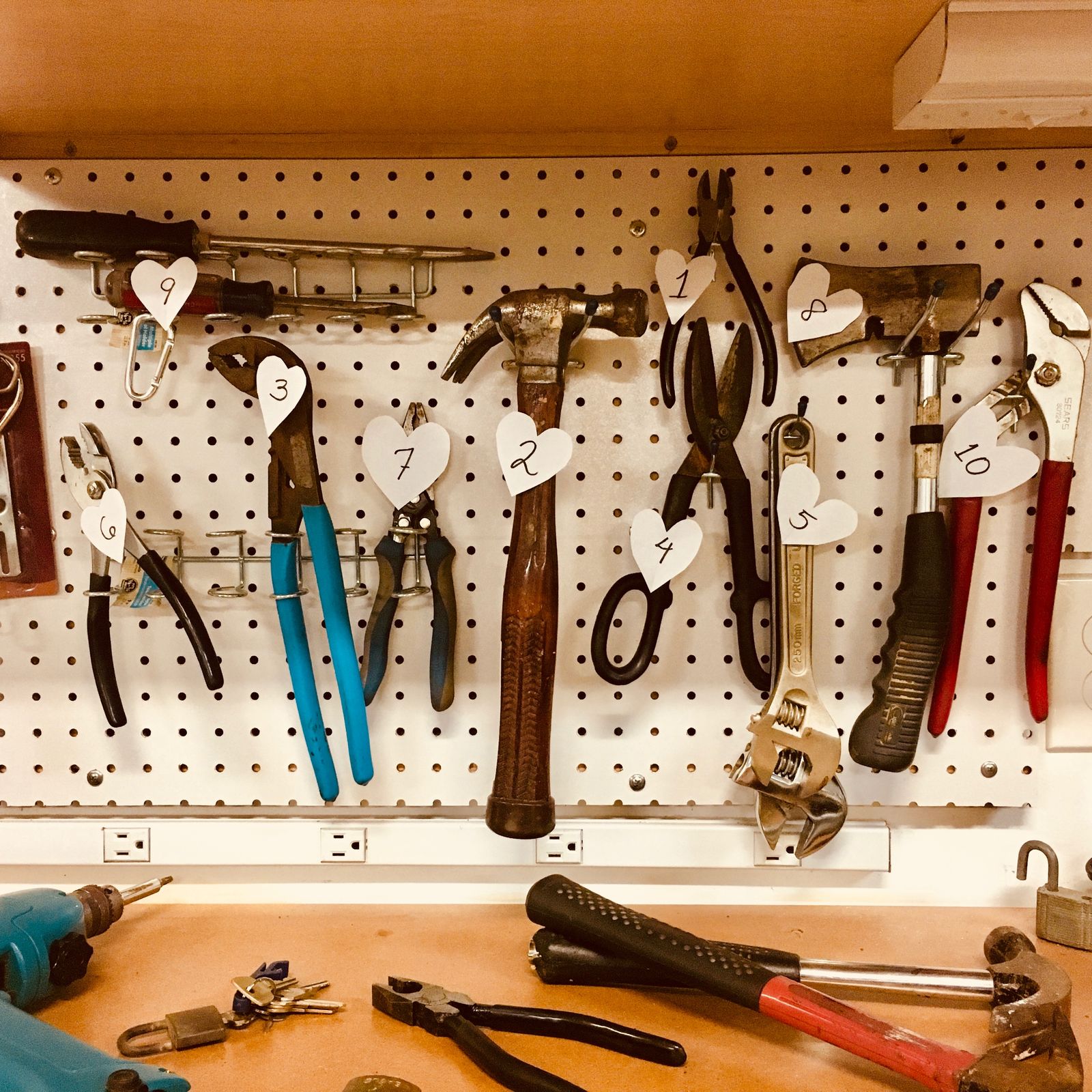
Pegboard wins on price and flexibility for small stuff, full stop. A four-panel pegboard set runs about $39.99 (Spampur’s kit, per Garage Utopia’s 2026 roundup), hooks cost pocket change, and rearranging your wall takes zero tools. For a wall of screwdrivers, pliers, tape rolls, and zip ties, nothing else is as cheap per hook.

Its ceiling is structural. Standard 1/8-inch hardboard pegboard offers limited capacity and can degrade in a humid garage, per Garage Utopia’s comparison — hang a heavy drill kit on hardboard and the holes slowly ovalize. Powder-coated steel pegboard (Wall Control is the known name here) fixes the sag at several times the price, which starts eating pegboard’s whole cost argument.
Slatwall answers with strength and coverage: Proslat publishes a 75-pounds-per-square-foot rating for its PVC panels, and horizontal slats accept shelves, baskets, and hooks anywhere along their length. The trade is money and a fussier install — panels must be leveled and screwed to studs, and the accessory ecosystem is proprietary, so every basket is a brand-name purchase.
Track rails: the heavy-lifting dark horse
A track (or rail) system skips full-wall coverage: you bolt one or two horizontal steel rails into studs and hang everything from repositionable hooks. The strength numbers are in a different league — Rubbermaid rates each FastTrack rail for up to 1,750 pounds on its own spec sheet, and Gladiator publishes 75 pounds per linear foot for its GearTrack channels. Bikes, extension ladders, wheelbarrows, and pressure washers — the stuff that actually clutters a garage floor — are exactly what these hooks are shaped for.
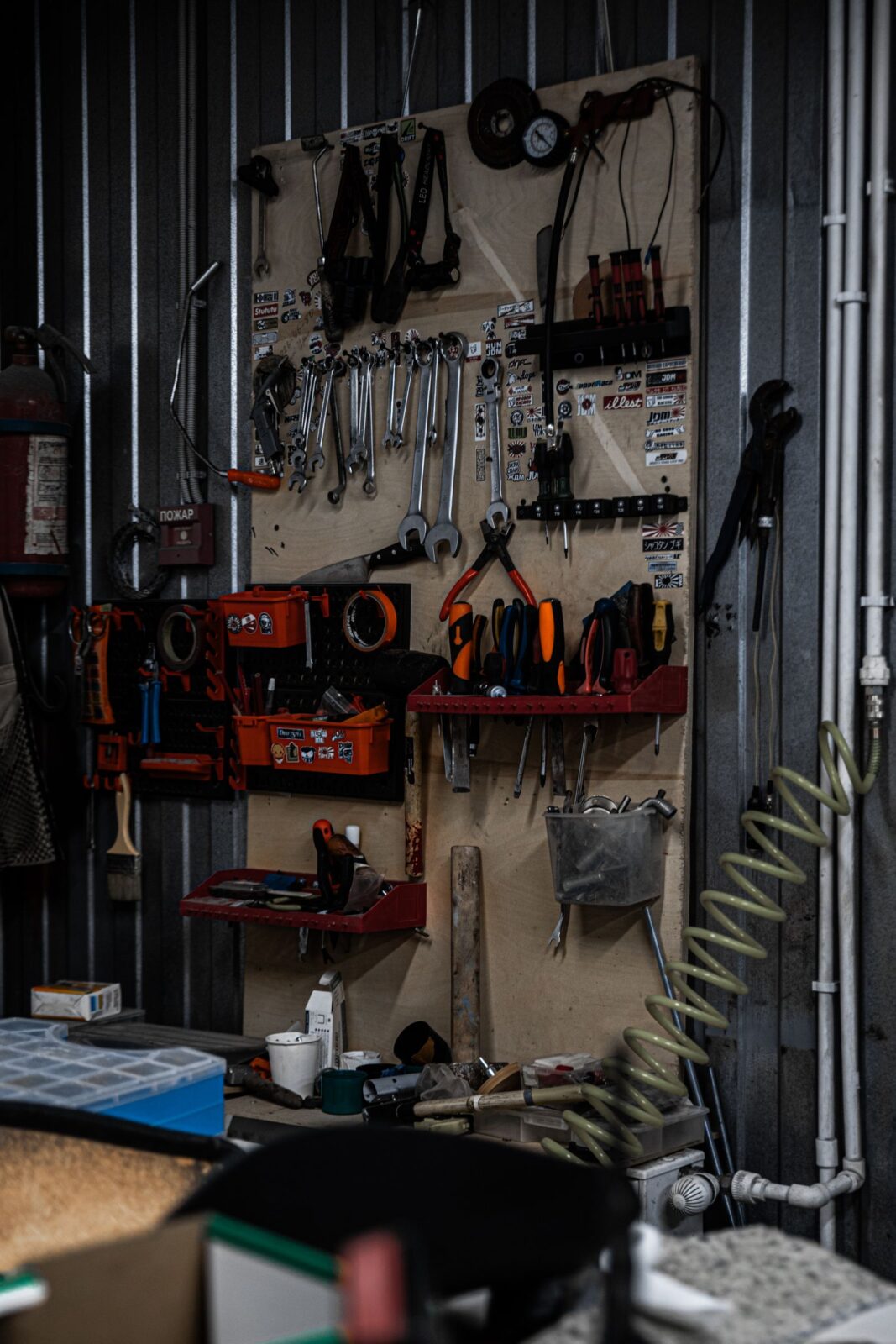
Pricing is friendlier than most people guess: a two-pack of 48-inch FastTrack rails lists at $64.12 at Walmart as of July 2026. The honest downside is granularity. A rail gives you one strong horizontal line, not a grid — 40 small hand tools on a rail wastes its capacity and your money, which is why the smartest garages pair one rail up high with a pegboard panel below it.
What one 8-foot wall really costs: our math
We priced a typical 8-foot-wide, 4-foot-tall storage zone (32 square feet) three ways using current listings, then divided entry cost by manufacturer-rated capacity. Ratings assume proper stud mounting; your fasteners and studs — not the panel — are usually the real limit, so treat rated pounds as ceilings, not promises.
| Pegboard (Spampur 4-pack) | Slatwall (NeatiEase 4×8 set) | Track (2× FastTrack 48″ rails) | |
|---|---|---|---|
| Entry price (July 2026 listings) | $39.99 | $169.99 | $64.12 |
| Cost per sq. ft. of coverage | ~$1.25 | ~$5.31 | covers 8 linear ft, not area |
| Manufacturer-rated ceiling | low (hardboard, unrated) | ~2,400 lbs (75 lbs/sq. ft. × 32) | ~3,500 lbs (1,750 × 2 rails) |
| Entry $ per rated 100 lbs | n/a | ~$7.08 | ~$1.83 |
Read that last row twice: per rated pound of holding power, rails cost roughly a quarter of what slatwall does. Slatwall’s premium buys coverage and looks; rails buy raw strength; pegboard buys neither but costs almost nothing. That’s the whole comparison in one table.
Dealbreakers worth knowing before you drill
- Renting? Pegboard on a French cleat or freestanding frame is the least-destructive route; slatwall is the most committed.
- Humid or unconditioned garage? Skip hardboard pegboard — go metal pegboard, PVC slatwall, or steel rail.
- Mostly bulky gear, few hand tools? Don’t pay for wall coverage you won’t hook anything to; rails alone do it.
- Can’t find studs or have crumbly plaster? Every heavy-duty rating above assumes solid stud engagement — get the wall sorted first.
How we compared
We compared manufacturer-published capacity ratings (Rubbermaid’s FastTrack spec page, Gladiator and Proslat figures as reported in Garage Transformed’s system guide), current retailer listings for entry pricing, and specialist roundups including Garage Utopia’s 2026 comparison, weighed against aggregated owner feedback on sag, humidity, and long-term hook creep. We don’t do hands-on testing and we don’t accept placement fees — our editorial standards explain both.
Common questions
Can I mix systems on one wall?
Yes, and you probably should: a rail up high for bikes and ladders with pegboard at eye level for hand tools covers 90% of garages for well under $150 in panels and rails.
Does pegboard need to stand off the wall?
Hardboard pegboard needs roughly a half-inch gap behind it (furring strips or a frame) so hooks can seat through the holes. Metal pegboard panels typically build that offset into their flanged design.
Is slatwall’s 75 lbs per square foot realistic?
It’s Proslat’s published panel rating with proper stud installation. In practice your limit is usually the specific hook or bracket — each accessory carries its own, lower rating, so check the piece holding the heavy thing.
Which system is easiest to take with you when you move?
Track rails — two rails unscrew in minutes and the hooks travel in a box. Slatwall comes off too but rarely survives without cosmetic damage, and glued installations don’t come off at all.
Once the walls are handled, the rest of the clutter has homes too: our clear bins vs. fabric cubes vs. weathertight totes guide covers what goes on the shelves, vacuum bags vs. bins vs. under-bed storage handles the seasonal overflow, and our closet systems comparison brings the same decision indoors. More in Organization.