Some links on our site may earn us a commission at no extra cost to you. Learn more.
This article is general information, not medical advice. Supplements affect people differently — talk to your doctor before starting creatine, especially if you have kidney concerns or take medication.
In the creatine monohydrate vs HCl vs gummies debate, the science-first answer hasn’t changed: plain creatine monohydrate powder is the form with decades of research behind it and the lowest cost per dose, and it’s what we’d point most lifters toward. HCl and gummies aren’t scams — they solve real texture and taste complaints — but you’re paying a convenience premium of several hundred percent for the same active ingredient, and with gummies you’re also trusting the label more than you may realize.
First, what the dose needs to be
Standard dosing guidance, per research published in the Journal of the International Society of Sports Nutrition, is 3–5 grams of creatine per day (or about 0.1 g per kilogram of body weight). That number is the yardstick for everything below: a format only “works” if you can comfortably hit 3–5 g every day without wincing at the price or the taste.
Monohydrate: the boring winner
Creatine monohydrate is the form used in the overwhelming majority of creatine studies — strength, sprint performance, lean mass — which is why sports-nutrition reviewers keep calling it the research-backed standard. It’s also dirt cheap: a tub of Optimum Nutrition Micronized Creatine delivers a full 5 g per scoop, and unflavored generic monohydrate is cheaper still. Look for products that are third-party tested (ON’s is Informed-Choice/banned-substance tested, per the manufacturer).
Cons, honestly stated: it’s gritty in plain water, some users report mild bloating during high-dose loading weeks (loading is optional — 3–5 g daily gets you there in about a month), and remembering an unflavored powder is a genuine adherence problem for some people. That last point is the entire case for the other two formats.
Creatine HCl: solubility at a price
Creatine hydrochloride dissolves far more readily in water, and brands like Con-Cret market it as effective at much smaller doses (their suggested serving is under a gram) with less stomach upset. Be clear about what’s claim and what’s proven: the superior solubility is real chemistry, but the “micro-dose equivalence” is a manufacturer claim — independent research reviews consistently note there’s no strong published evidence that HCl outperforms monohydrate, and far fewer studies of HCl exist at all.
HCl earns a place if monohydrate genuinely upsets your stomach or the grit is a dealbreaker. Just know you’re paying more per gram for a smoother drink, not better results.
Gummies: convenience, with an asterisk
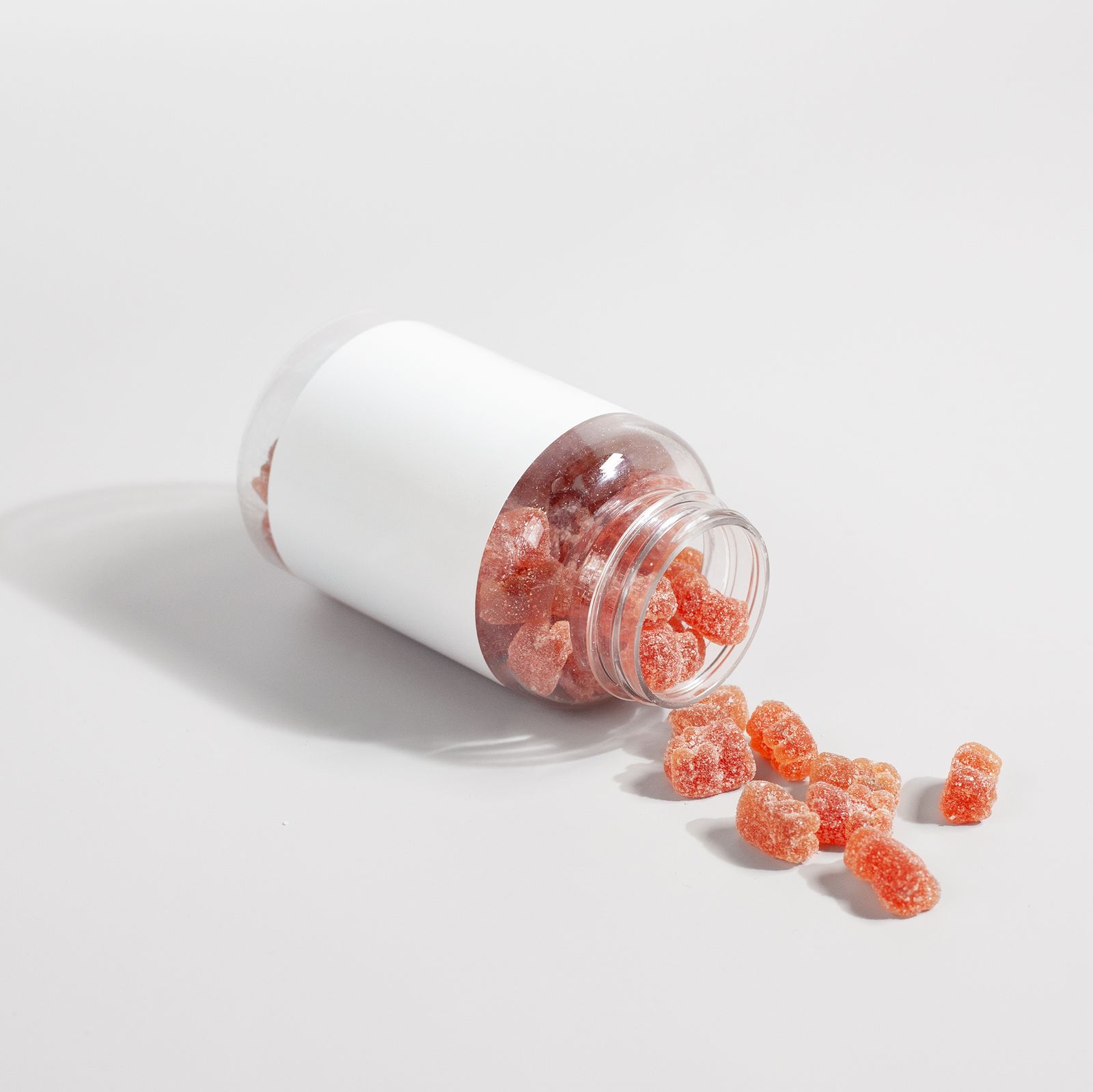
Creatine gummies are the fastest-growing format because they remove every excuse: no shaker, no chalk, tastes like candy. Most contain roughly 1–1.5 g of creatine per gummy, so hitting 3–5 g means 3–5 gummies a day, and the tub empties fast. The bigger caution: as Healthline has reported, lawsuits have been filed alleging some gummy brands contain less active ingredient than the label claims. Heat-based gummy manufacturing is simply harder on creatine content than dry powder. If you go this route, pick a brand that publishes third-party lab results per batch — and treat any tub without them as flavored candy until proven otherwise.
The math: cost per real 5-gram day
Sticker prices hide the real comparison, because formats differ in creatine per serving. So we normalized: here’s what a full 5 g day costs in each format, using price ranges across current major-retailer listings in July 2026. Ranges are our estimates; exact prices move around, the ratios don’t.
| Format | Typical creatine per serving | Servings needed for 5 g/day | Est. cost per 5 g day | Cost vs. bulk powder |
|---|---|---|---|---|
| Monohydrate powder (bulk/unflavored) | 5 g per scoop | 1 | $0.25–$0.50 | baseline |
| Monohydrate capsules | 2.5 g per 2 capsules (per ON’s label) | 4 capsules | $0.90–$1.40 | ≈3× |
| Creatine HCl powder/capsules | 0.75–2 g (brand-dependent) | varies; at label doses far less total creatine | $0.70–$1.50* | ≈2–4× |
| Creatine gummies | 1–1.5 g per gummy | 3–5 gummies | $1.30–$2.50 | ≈4–7× |
Over a year of daily use, that spread is roughly $90–$180 for bulk monohydrate versus $475–$900 for gummies — the difference buys a gym membership. The standout is clear, and it’s the cheapest option: that almost never happens in supplements.
How we compared
We weighed the three formats on published evidence, dosing practicality, digestive tolerability, label-accuracy risk, and normalized cost per effective dose. Dosing guidance comes from research published in the Journal of the International Society of Sports Nutrition; label-accuracy reporting via Healthline; per-serving contents from manufacturer labels. The cost table is our own math with assumptions stated. We don’t claim hands-on testing, and we hold no position on any brand. More at our editorial standards.
FAQ
Is creatine HCl better than monohydrate?
It dissolves better and may sit easier on some stomachs, but independent research reviews find no strong evidence it outperforms monohydrate — and monohydrate has vastly more studies behind it at a lower price per gram.
How many creatine gummies equal a scoop of powder?
Most gummies carry roughly 1–1.5 g of creatine each, so it typically takes 3–5 gummies to match one 5 g scoop of monohydrate powder. Check the label — per-gummy content varies widely by brand.
Do I need to do a loading phase?
No. Loading (20 g/day for about a week) saturates muscles faster, but a steady 3–5 g daily reaches the same saturation in roughly three to four weeks, per the dosing research — with less chance of bloating.
Round out your supplement shelf
Wondering how creatine fits alongside everything else in the shaker? Start with creatine vs. pre-workout vs. BCAAs, then sort your protein with whey vs. plant vs. casein and the deeper isolate vs. concentrate vs. hydrolysate breakdown — all in our Supplements & Protein section.