Affiliate disclosure: some links may earn us a commission at no extra cost to you — commissions never influence a ranking.
The Dutch oven is the pot that braises, bakes bread, fries chicken, and anchors every soup season — and it comes in three very different bodies: enameled cast iron’s colorful icons, bare cast iron’s campfire classic, and heavy stainless’s workhorse stockpot-hybrid. The face-off.
The contenders
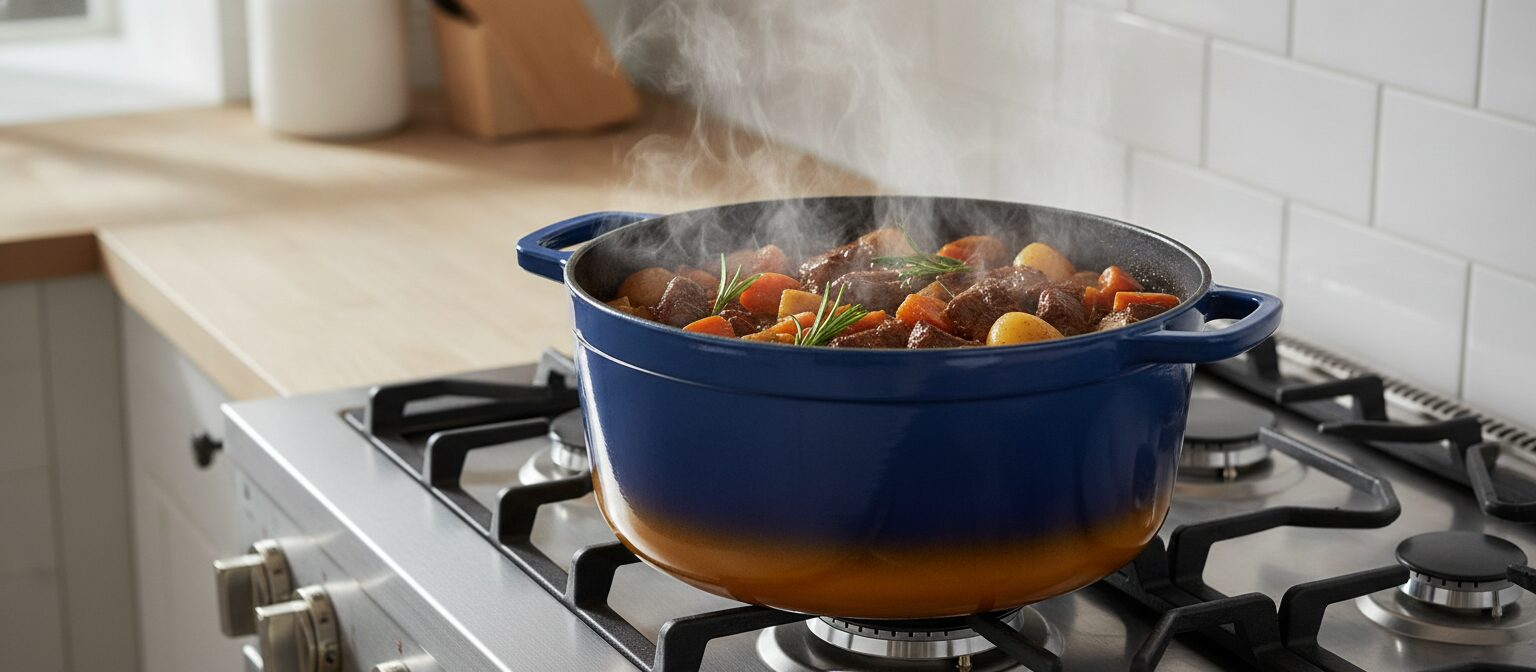
Enameled cast iron — cast iron sealed in glassy enamel: no seasoning, every color, the wedding-registry royalty.
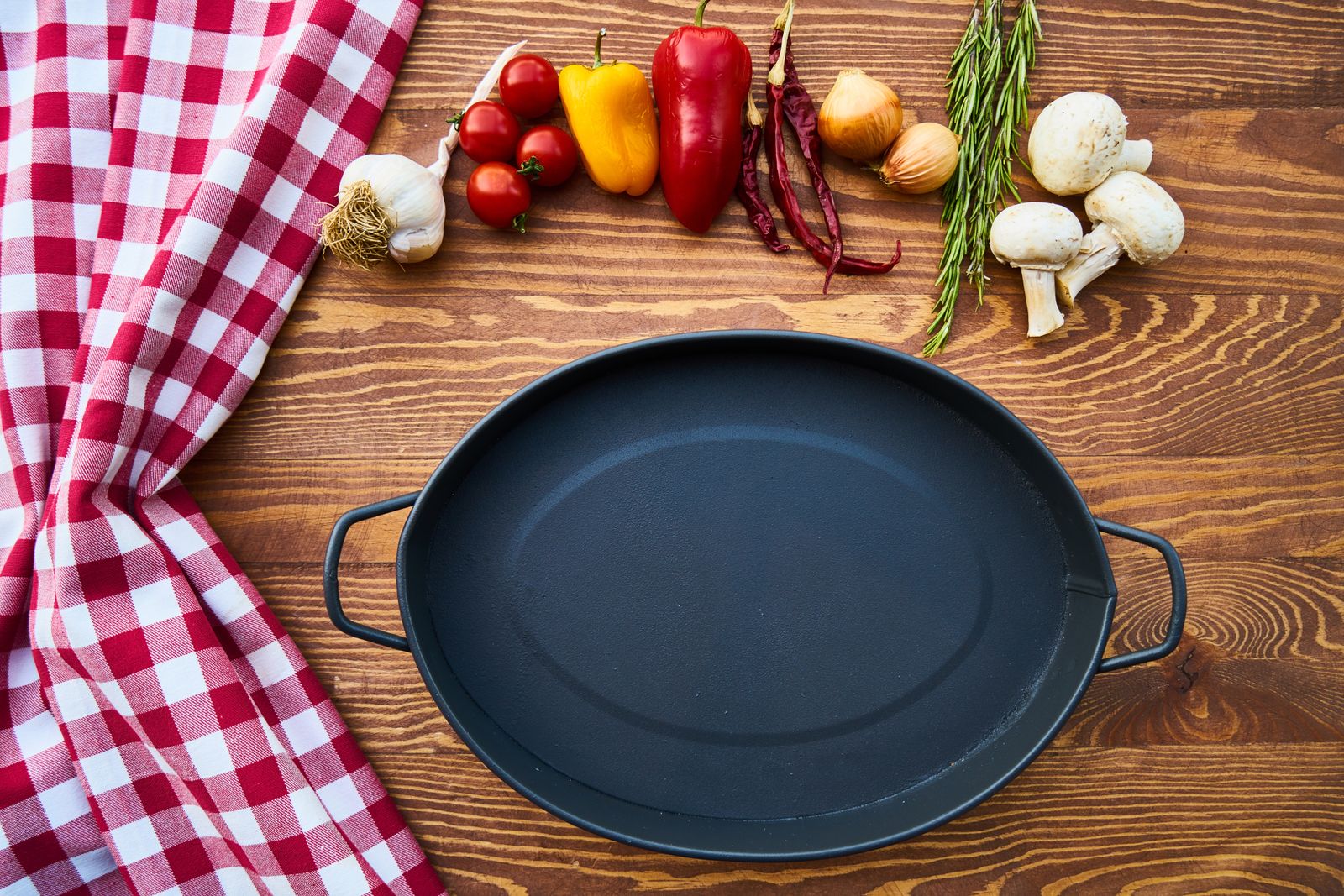
Bare cast iron — the seasoned, lidded original; campfire-legal and generationally cheap.
Heavy stainless (tri-ply) Dutch ovens — thick-bottomed stainless pots with tight lids; lighter, brighter, dishwasher-safe.
Round 1: Braising and bread — the signature jobs
Enameled cast iron is the reference standard: massive heat retention for low, steady braises, a nonreactive surface happy with wine and tomatoes for eight hours, and the steamy sealed chamber that made no-knead bread a phenomenon. Bare cast iron matches the physics but its seasoning objects to long acidic simmers — the one real limit on the original. Stainless braises competently and bakes decent bread, running a touch less steady on heat.
Winner: Enameled.
Round 2: Durability and lifespan
Flip it. Bare cast iron is functionally immortal — rust is a repair, not a death, and thrift-store centenarians outlive their buyers. Stainless shrugs off metal utensils, dishwashers, and drops. Enameled’s glass coat is the tell: chips from impacts and utensil abuse, staining, and the occasional crazing are the category’s known heartbreaks — premium brands’ enamel and warranties are much of what the premium buys, and reviews of budget enameled pots tell the chipping story early.
Winner: Bare cast iron.
Round 3: Living with it
Weight first: a large enameled or bare Dutch oven full of stew is a two-hands-and-intention lift, the top complaint across both iron camps; stainless runs meaningfully lighter. Cleanup: enameled wipes clean and tolerates soap freely; stainless goes in the dishwasher; bare iron wants the seasoning ritual. Stovetop manners: all three handle every burner, iron twins double as bread ovens and broiler-proof roasters (mind enameled knob ratings).
Winner: Stainless for the back and the sink.
Round 4: Price
Bare cast iron is famously cheap — the budget legend of the entire cookware world. Stainless Dutch ovens run low-to-mid. Enameled spans a chasm: respectable budget brands deliver most of the performance, while the French icons cost five times more and buy enamel quality, warranty, and admittedly gorgeous kitchens. Reviews increasingly say the budget enameled tier is the value play — replaced twice, it still undercuts the icon.
Winner: Bare cast iron, with budget enameled the smart middle.
The verdict
- Best overall: Enameled cast iron — the do-everything braiser-baker with zero seasoning homework; buy the best enamel the budget allows and treat it gently.
- Best value and best forever-pot: Bare cast iron — immortal, campfire-ready, and cheap; just keep tomatoes brief and the covenant kept.
- Best everyday utility: Heavy stainless — the lightest, lowest-drama option that quietly does 90% of the job and cleans itself in the machine.
Size wisdom from thousands of reviews: 5–6 quarts fits most households; the 7+ quart showpiece mostly stores air and strains wrists. Pair with the right skillet from our skillet showdown and the cookware cabinet is essentially complete.