Affiliate disclosure: some links may earn us a commission at no extra cost to you — commissions never influence a ranking.
Cold coffee splits into three camps that get confused constantly: true cold brew (steeped cold for hours), iced pour-over made hot and chilled instantly, and Japanese flash brew’s hot-over-ice hybrid. They taste genuinely different and demand different gear. The face-off.
The contenders
Cold brew makers — coarse grounds steeped in cold water 12–24 hours, filtered into a concentrate that keeps for days.
Iced pour-over / flash brew — hot brewing directly onto ice, chilling instantly while locking in aromatics.
Refrigerated leftover drip — the incumbent: this morning’s pot, chilled. Included for honesty.
Round 1: Flavor profile
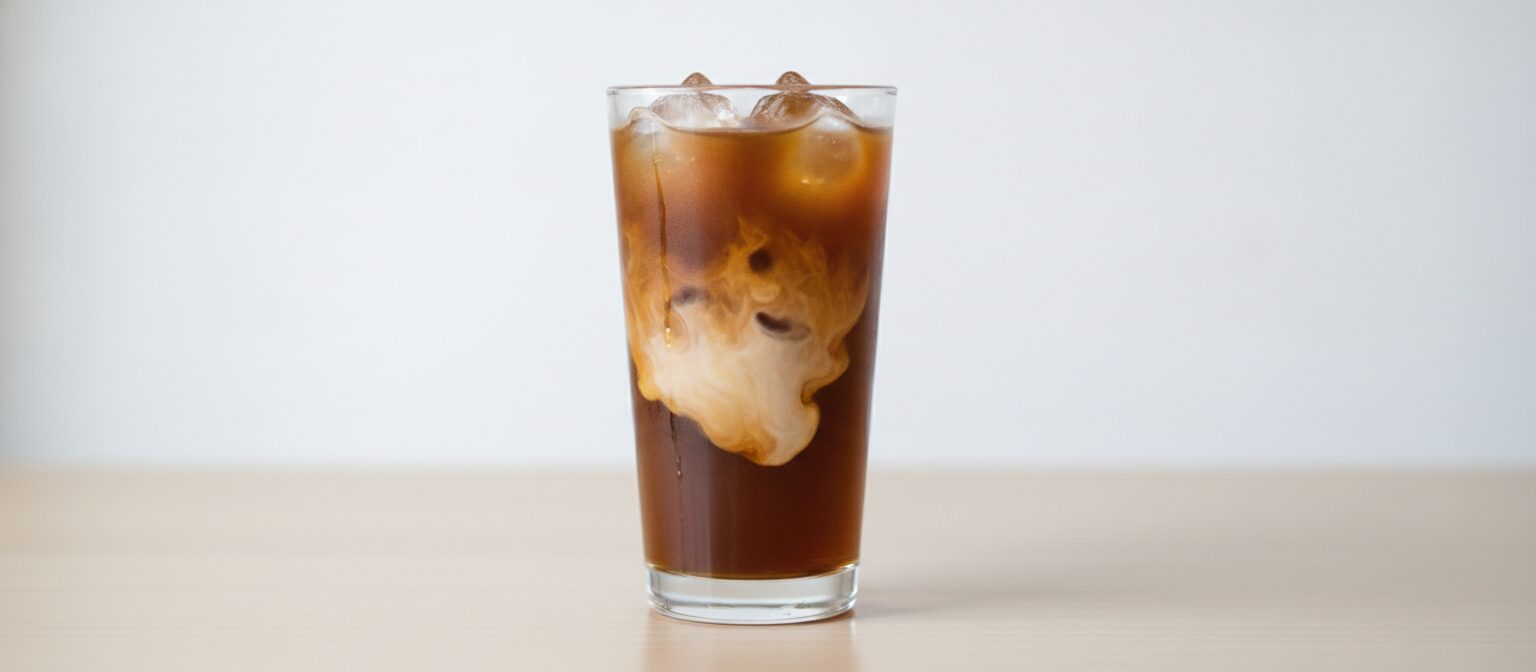
Not better or worse — different. Cold brew’s long, cool steep extracts low acidity and heavy body: smooth, chocolatey, mellow, the crowd-pleaser that converted a generation of “coffee is too bitter” holdouts. Flash brew keeps the bright, fruity, aromatic character of hot brewing — the method specialty roasters prefer for showing off interesting beans — because heat extracts compounds cold water never touches. Day-old chilled drip tastes like exactly what it is; oxidation is not a flavor note anyone orders.
Winner: Tie between the real methods — smooth-and-rich vs. bright-and-lively is a preference, not a ranking.
Round 2: Convenience and planning
Flash brew wins the spontaneity round: want iced coffee now, have it in four minutes with a normal pour-over setup (just replace part of the water with ice in the carafe). Cold brew demands yesterday’s foresight — but pays it back all week: one batch of concentrate serves days of instant, no-effort glasses. The honest framing from reviews: cold brew is meal prep, flash brew is cooking to order.
Winner: Cold brew for the week, flash brew for right now.
Round 3: Gear and cost
Both are cheap dates. Cold brew needs only a steeping vessel with a filter — dedicated makers are modest, and a mason jar plus a strainer works honestly. Flash brew uses the pour-over gear you may already own (dripper, filters, a scale for the ice math). Caffeine economics note: cold brew concentrate is potent and beans-hungry — it uses noticeably more coffee per glass, the quiet cost reviewers flag after a summer of daily batches.
Winner: Draw — entry costs are trivial either way; cold brew’s bean consumption is the sleeper expense.
Round 4: Caffeine and stomach factors
Cold brew’s reputation for gentleness is earned — the lower acidity sits easier for many sensitive-stomach reviewers, a genuine reason it dominates that cohort. Its caffeine, prepared as typical concentrate, also runs strong; dilution ratios matter more than people think. Flash brew lands like regular hot coffee on both counts.
Winner: Cold brew for sensitive stomachs — with the dilution asterisk.
The verdict
- Best for the daily iced habit: A cold brew maker — Sunday’s ten minutes becomes the week’s coffee, smooth enough to convert skeptics.
- Best cup and best for good beans: Japanese flash brew — the bright, aromatic glass that treats iced coffee as coffee rather than a caffeine delivery system, ready in minutes.
- Best for nobody: chilled leftover drip — the fridge deserves better, and so do you.
Grind matters here too — cold brew wants coarse, flash brew wants medium-fine — which is one more argument for the adjustable burr grinder in our grinder face-off.