Affiliate disclosure: some links may earn us a commission at no extra cost to you — commissions never influence a ranking.
Every coffee upgrade guide says the same thing: buy a burr grinder. But the aisle actually holds three choices — the cheap blade whirler, the electric burr machine, and the hand-crank manual burr — and the right answer depends on budget, counter space, and patience. The face-off.
The contenders
Blade grinders — a propeller blade chops beans in a cup; $15–25 and everywhere.
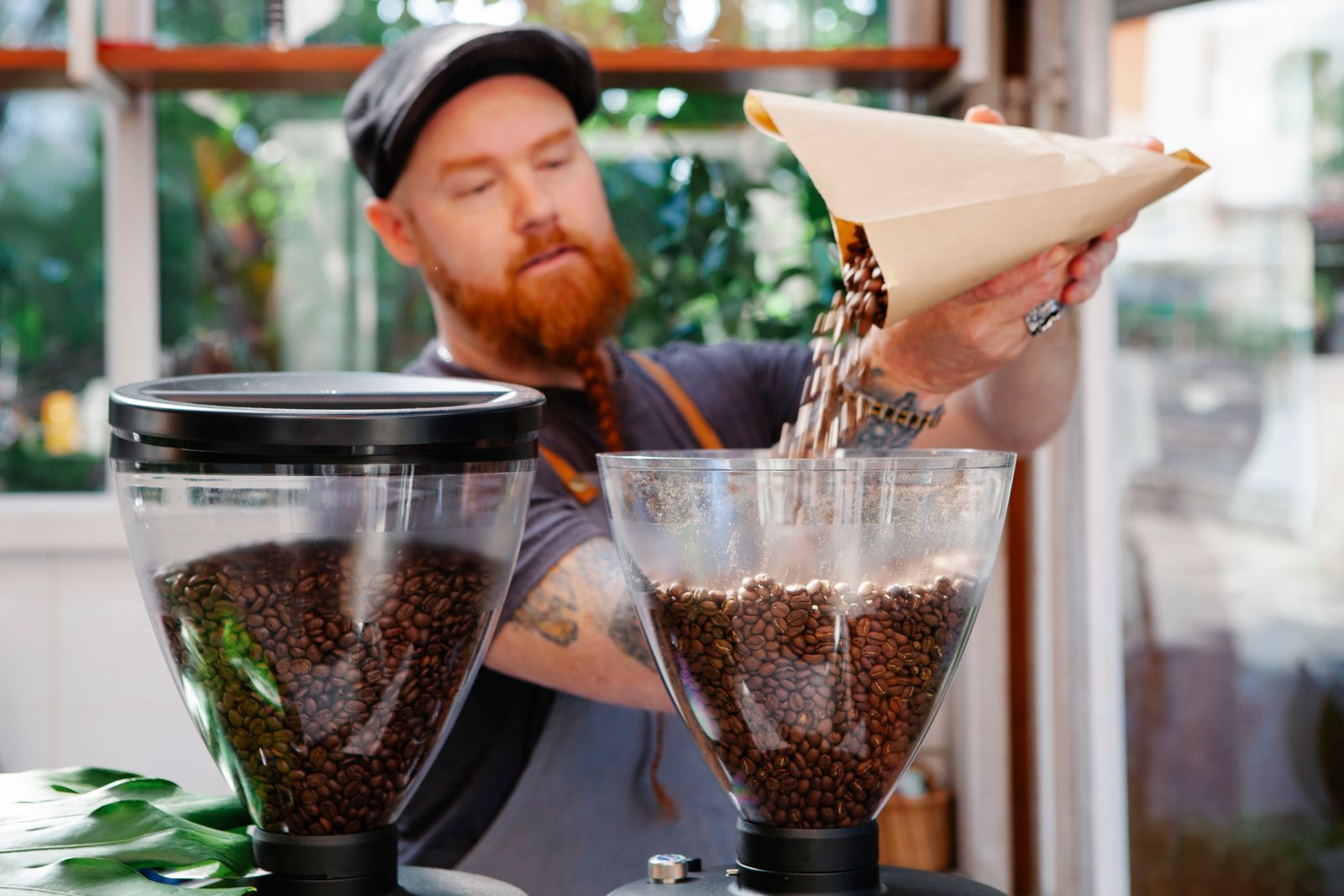
Electric burr grinders — two abrasive surfaces crush beans to a chosen size at the push of a button.
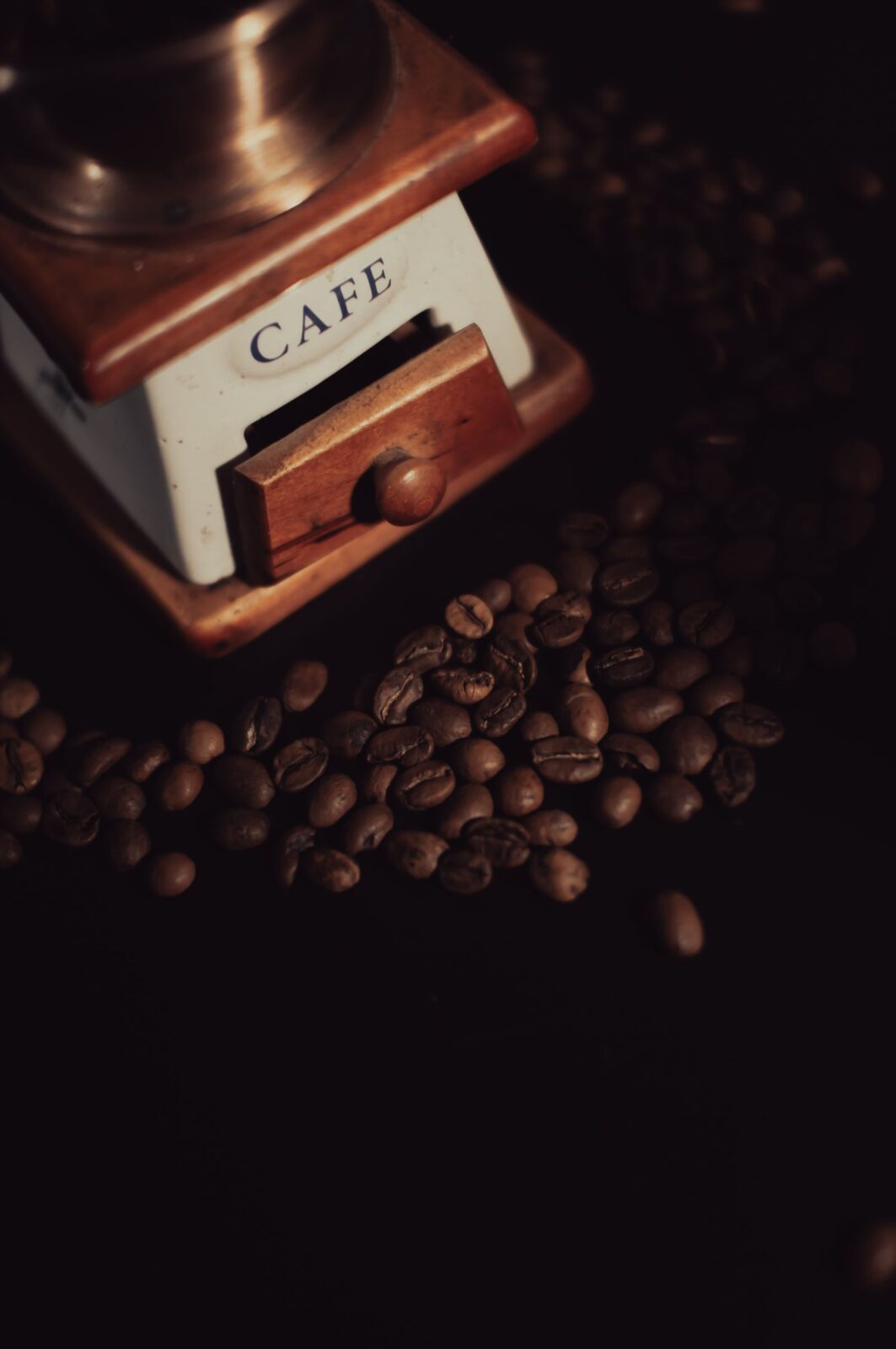
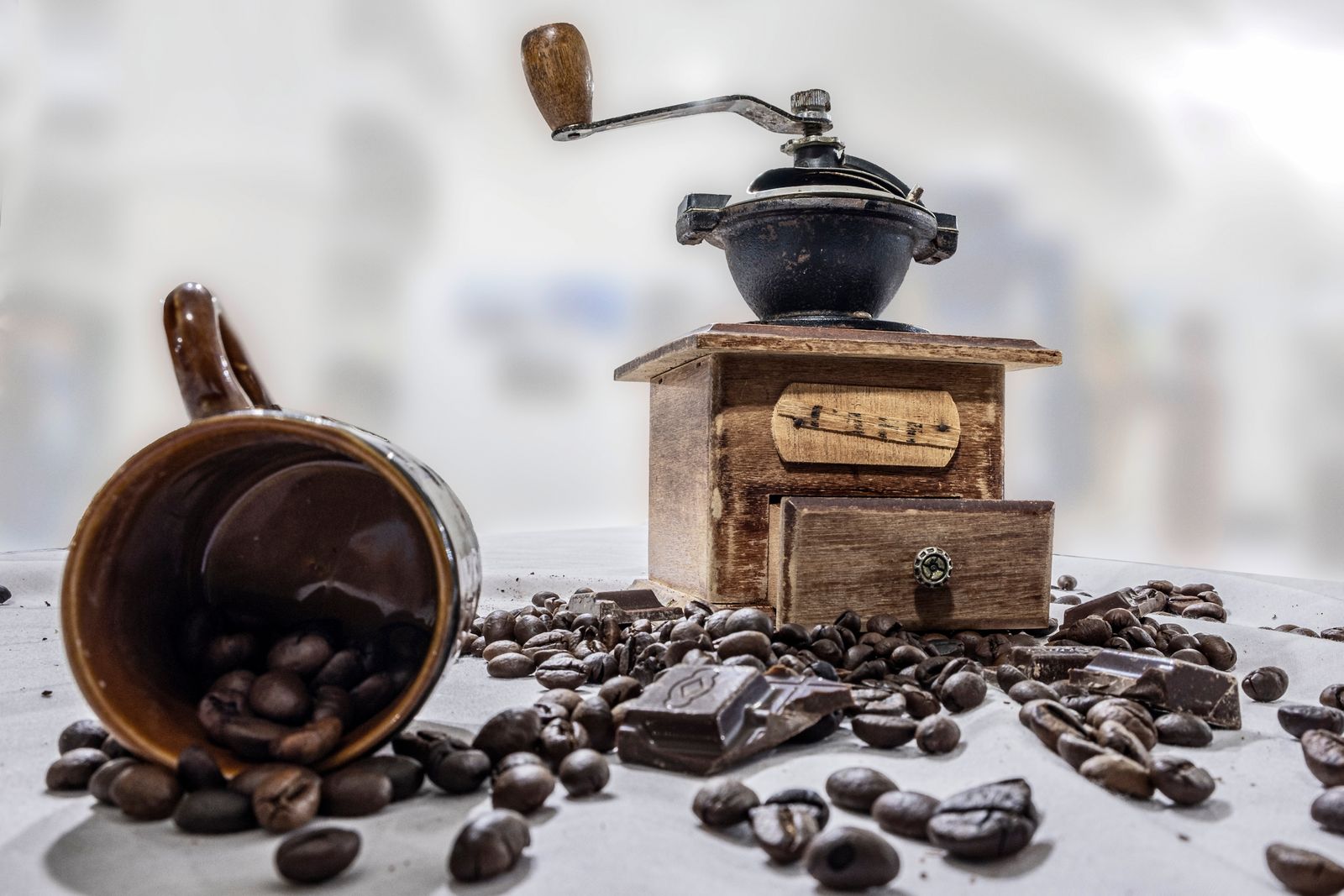
Manual burr grinders — the same burr geometry in a hand-cranked cylinder, often with surprisingly premium internals.
Round 1: Grind quality — the whole ballgame
Burrs win, and it’s the least controversial claim in coffee. Blades produce boulders and dust simultaneously, which over- and under-extract in the same brew — the muddy, bitter-yet-sour cup that no bean upgrade can fix. Burrs (electric or manual) produce uniform particles at a repeatable size, which is the single biggest flavor unlock in home coffee. Between the two burr camps, a quality manual often out-grinds electrics at the same price because the money goes into burrs instead of motors.
Winner: Any burr; blades eliminated in round one.
Round 2: Convenience
Electric burr grinders win mornings: press, done, repeat for guests. Manual grinders demand 30–60 seconds of cranking per cup — a pleasant ritual to some reviewers, a dealbreaker before caffeine to others, and honest drudgery when grinding for four. Blades are quick but see round one.
Winner: Electric.
Round 3: Price and value
Manual burr grinders are the value story of the category: the sub-$50 tier now delivers grind quality that embarrassed $150 electrics a decade ago, and the premium hand grinders punch far above their price. Entry electric burrs start modestly but the genuinely good ones cost more; blade grinders are cheap the way a broken tool is cheap.
Winner: Manual.
Round 4: Espresso and special cases
Espresso demands fine, consistent, adjustable grinding — entry electrics often can’t do it well, while many mid-tier manual grinders can, which is why the hand-grinder-plus-espresso-machine pairing is a budget-espresso community classic. Camping and travel also go manual by default. Big households and multiple daily brews tilt electric.
Winner: Manual for espresso-on-a-budget and travel; electric for volume.
The verdict
- Best overall: An electric burr grinder — the effortless daily driver that upgrades every cup; buy the best burrs the budget allows.
- Best value and best for espresso starters: A manual burr grinder — premium grind quality for midrange money, if the morning crank sounds like ritual rather than chore.
- Best for spices: The blade grinder — genuinely! Retire it from coffee, dedicate it to cumin, and everyone wins.
Whichever burr you choose, pair it with fresh whole beans — the grinder’s whole advantage evaporates on stale coffee. Our sibling site’s coffee upgrade path puts the grinder in its rightful place: first.