Some links on our site may earn us a commission at no extra cost to you. Learn more.
A convertible car seat is one of the longest-serving purchases you’ll make for your child — the same seat can ride along from the first year through preschool and beyond. That longevity is exactly what makes the choice feel heavy. Graco, Chicco, and Britax anchor the category with three distinct philosophies: Graco’s Extend2Fit line stretches value and extended rear-facing room; Chicco’s NextFit line obsesses over easy, confident installation; and Britax’s Boulevard/One4Life family leans premium, with plush materials and a click-tight installation system parents either love or find heavy.
Before we compare a single cupholder, one thing needs saying plainly: every car seat legally sold in the United States must meet the same federal standard, FMVSS 213. This comparison is about usability, comfort, convenience, and value — not about which seat is “safer.” The safest seat for your family is the one that fits your specific vehicle, fits your specific child, and gets installed and buckled correctly on every single ride. Verify current certification and recall status with the manufacturer and NHTSA before buying or installing any seat, and follow the manual exactly.
The quick answer: the Graco Extend2Fit is the value pick most families should start with; the Chicco NextFit Max is the one to choose if easy, confident installation is your top priority; and the Britax One4Life is the upgrade for parents who want premium build and one seat that converts through the booster years.
Our verdict at a glance
- Best overall value: Graco Extend2Fit — generous rear-facing legroom and core features at the friendliest price tier
- Best for easy installation: Chicco NextFit Max — the most forgiving install experience of the three
- Best upgrade: Britax One4Life — premium materials and a harness-to-booster lifespan in one seat
- Best for small cars: Chicco NextFit Max — its fit flexibility helps in tight back seats, though you must confirm fit in your own vehicle
- Best for extended rear-facing: Graco Extend2Fit — the extension panel is the category’s signature legroom feature
How the three seats compare
| Attribute | Graco Extend2Fit | Chicco NextFit Max | Britax One4Life |
|---|---|---|---|
| Installation experience | Straightforward; standard latch and belt paths | Easiest of the three; tensioning system owners praise most | ClickTight system — very secure feel, heavier seat |
| Rear-facing legroom | Excellent — extension panel adds space | Good | Good |
| Usable lifespan | Rear-facing + forward harness (booster in some variants) | Rear-facing + forward harness | Rear-facing through high-back booster in one seat |
| Cleaning & fabric care | Covers generally easy to remove | Machine-washable options; zip-off panels on many trims | Plush but more involved to strip and rewash |
| Weight & bulk | Lightest of the three | Middleweight | Heaviest and bulkiest |
| Price tier | $ | $$ | $$$ |
Graco Extend2Fit: the value benchmark
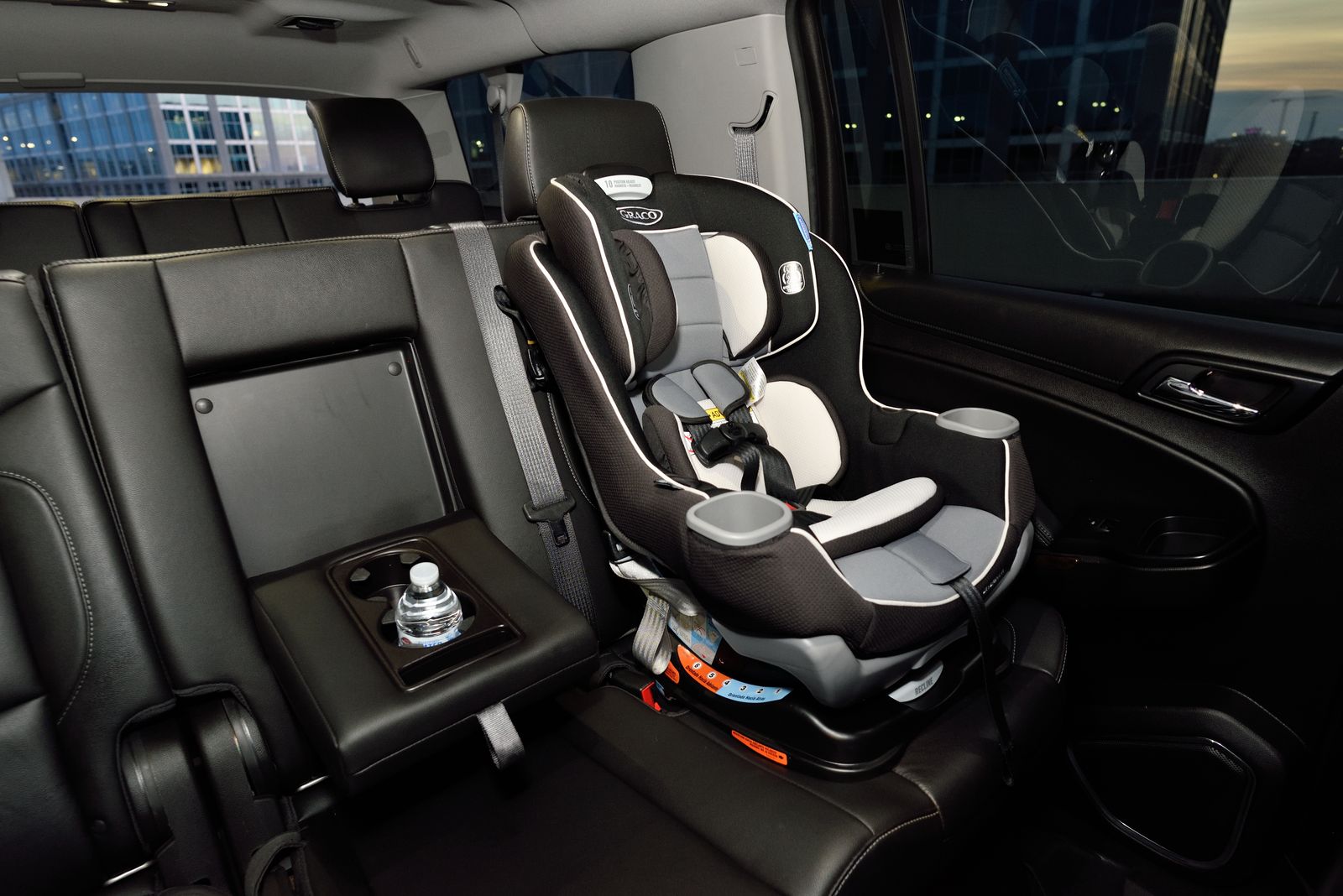
Where it wins. The Extend2Fit’s namesake feature is a pull-out extension panel that adds real legroom in the rear-facing position — the single most useful convenience feature in this comparison, because it makes keeping a growing toddler rear-facing (which the American Academy of Pediatrics encourages for as long as the seat’s limits allow — confirm current guidance with your pediatrician) more comfortable and less contested. It’s also the lightest seat here, which matters if you ever move a seat between cars, and it delivers multi-position recline and easy-enough harness adjustment at the lowest price tier of the three. For families outfitting a second vehicle or grandparents’ car, it’s the obvious candidate.
Honest drawbacks. The fabrics and padding are serviceable rather than plush, and owners consistently report the fit-and-finish gap versus Britax is noticeable side by side. The cupholders and harness pockets feel builder-grade. Installation is fine but rewards a careful read of the manual; it lacks the guided, confidence-building install experience Chicco built its reputation on. As with any seat, check that its dimensions work in your vehicle before committing — no spec sheet substitutes for trying the seat in your actual back seat.
Who should buy it. Budget-conscious families, extended rear-facing households, and anyone buying a competent seat for a second car.
Who should skip it. Parents who want premium comfort touches or a single seat that carries through the booster stage — that’s Britax territory.
Chicco NextFit Max: installation confidence, bottled
Where it wins. Ask experienced caregivers what they remember about the NextFit line and the answer is almost always the same: it goes in easily and it goes in right. The tensioning and leveling aids take most of the guesswork out of achieving a snug fit, and that matters enormously, because correct installation and harness use — not brand — are where real-world protection is won or lost. The Max variant adds room for bigger kids in the harness stage, the recline range is generous for fussy vehicle seat angles, and the washable fabric options are the most parent-friendly cleaning story of the three. Owners consistently describe it as the seat that made them stop second-guessing themselves.
Honest drawbacks. It sits in the middle price tier while ending its service life at the end of the forward-facing harness stage — no booster mode — so families planning one-seat-forever should look at the Britax instead. It’s heavier than the Graco, and rear-facing legroom, while good, doesn’t match the Extend2Fit’s panel trick. The most common complaint is simply bulk in narrow three-across situations; if that’s your reality, measure carefully and confirm fit in your own vehicle.
Who should buy it. First-time parents who want the least stressful install experience, households where multiple caregivers move or reinstall the seat, and anyone who prizes washable fabrics.
Who should skip it. Anyone who wants booster-stage longevity from the same purchase, or the tightest budget — the Graco covers the essentials for less.
Britax One4Life: the long-haul premium pick
Where it wins. The One4Life is the “buy once” argument in physical form: rear-facing seat, forward-facing harness, and high-back booster in a single frame, with the plushest padding and most polished fit-and-finish in this comparison. Britax’s ClickTight installation system — open the seat bottom, thread the vehicle belt, click it shut — produces a rock-solid-feeling install using the seat belt rather than lower anchors, which many owners find uniquely reassuring, particularly in center-seat positions where anchor use is often restricted (check your vehicle manual). Harness adjustments are smooth, and the whole seat feels built for a decade of service.
Honest drawbacks. It’s the most expensive seat here and by far the heaviest — moving it between vehicles is a genuine chore, and the most common owner complaint is exactly that. The plush cover is more tedious to remove and wash than Chicco’s. And the one-seat-for-every-stage pitch has a practical wrinkle: a seat used daily for eight or nine years will look and feel its age by the booster years, and every seat has a printed expiration date that caps its total service life regardless of stage — check it before counting on hand-me-down use.
Who should buy it. One-car families who install once and rarely move the seat, parents who want premium comfort, and buy-once planners comfortable at the top price tier.
Who should skip it. Anyone who frequently swaps the seat between cars, rideshare-heavy households, and tight budgets — a lighter, cheaper seat installed correctly serves them better.
Features worth weighing — and ones that are mostly marketing
After comparing spec sheets across these three lines, a pattern emerges in what actually changes daily life. Worth real weight: a no-rethread harness (all three offer versions of it — raising the headrest adjusts strap height without uninstalling anything), machine-washable covers, a wide recline range for awkward vehicle seat angles, and whatever installation aid gives you confidence, because a seat you install correctly beats one with a longer feature list. Worth much less than the brochures imply: cupholder counts, plushness beyond a reasonable baseline (toddlers nap fine in all three), and fabric trim names that add to the price tier without adding function.
Budget accordingly: if choosing between a higher trim of a cheaper seat and the base trim of a pricier one, owners consistently report the base trims deliver nearly the whole experience. The money saved is better spent on a professional installation check — or simply banked for the booster years ahead.
The non-negotiables, whichever seat you choose
Treat these as required reading, not fine print. Verify the seat’s current FMVSS 213 certification and check for recalls on the manufacturer’s site and NHTSA’s registry. Confirm fit in your actual vehicle — seat angles, belt geometry, and back-seat width vary enormously, and a seat that installs beautifully in one car can fight you in another. Follow the installation manual and your vehicle’s manual exactly, including anchor weight limits and center-seat rules. Register the seat with the manufacturer so recall notices reach you. Have your installation checked by a certified child passenger safety technician — many fire stations and hospitals offer free checks. Never buy a used seat with unknown history, and replace any seat after a significant crash per the manufacturer’s policy. Finally, follow your pediatrician’s guidance on rear-facing duration and on safe sleep — a car seat is for travel, not routine sleeping outside the vehicle.
How we compared
We compared these seats strictly on ownership experience: installation ease, harness adjustment, rear-facing legroom, cleaning, weight, vehicle-fit flexibility, usable lifespan per dollar, and the patterns of praise and complaint that emerge from long-term owners. We made no attempt to rank crash protection — all three meet the same federal standard, independent crash-test nuances change with every model revision, and correct installation and use matter more than brand differences. Price appears as tiers ($ to $$$) because street prices shift constantly. This guide is part of our Family & Kids series, alongside our baby monitor comparison for the other big nursery-stage decision.
Frequently asked questions
Is a more expensive convertible car seat safer?
Price buys comfort, convenience, and lifespan — not certified safety. Every seat sold new in the US must meet FMVSS 213. A correctly installed budget seat serves a child better than an incorrectly installed premium one, which is why installation ease deserves real weight in your decision.
When should I switch from an infant seat to a convertible?
When your child approaches the infant seat’s height or weight limit, or when carrying the bucket becomes impractical — commonly somewhere around the first year, but the seat’s printed limits and your pediatrician’s advice are the real triggers, not the calendar.
How long should my child stay rear-facing?
Current guidance from the American Academy of Pediatrics is to remain rear-facing as long as the seat’s height and weight limits allow. Confirm the up-to-date recommendation with your pediatrician, and note that generous rear-facing room — the Extend2Fit’s specialty — makes following that guidance more comfortable.
Do car seats really expire?
Yes — every seat carries a manufacturer expiration date, typically stamped on the shell, reflecting material aging and evolving standards. Check it before buying, before reusing a seat for a second child, and especially before accepting any hand-me-down.
Will these seats fit three-across in my back seat?
Maybe — and nobody can promise it from a spec sheet. All three are on the wider side of the market, with the Britax the bulkiest. Measure your bench, check the manufacturer’s width figures, and if possible test-fit before buying; a certified child passenger safety technician can help you evaluate the combination.
Bottom line
All three are excellent seats from established brands, so let your household’s realities pick: the Graco Extend2Fit for the best value and rear-facing legroom, the Chicco NextFit Max for the install experience that removes doubt, and the Britax One4Life for premium build and one-seat-through-booster longevity. Then do the part that actually matters most, whichever box comes home: verify certification and recalls, confirm fit in your vehicle, install exactly per the manual, register the seat, and get the installation checked. The best seat is the one used correctly, every ride.