Affiliate disclosure: some links may earn us a commission at no extra cost to you — commissions never influence a ranking.
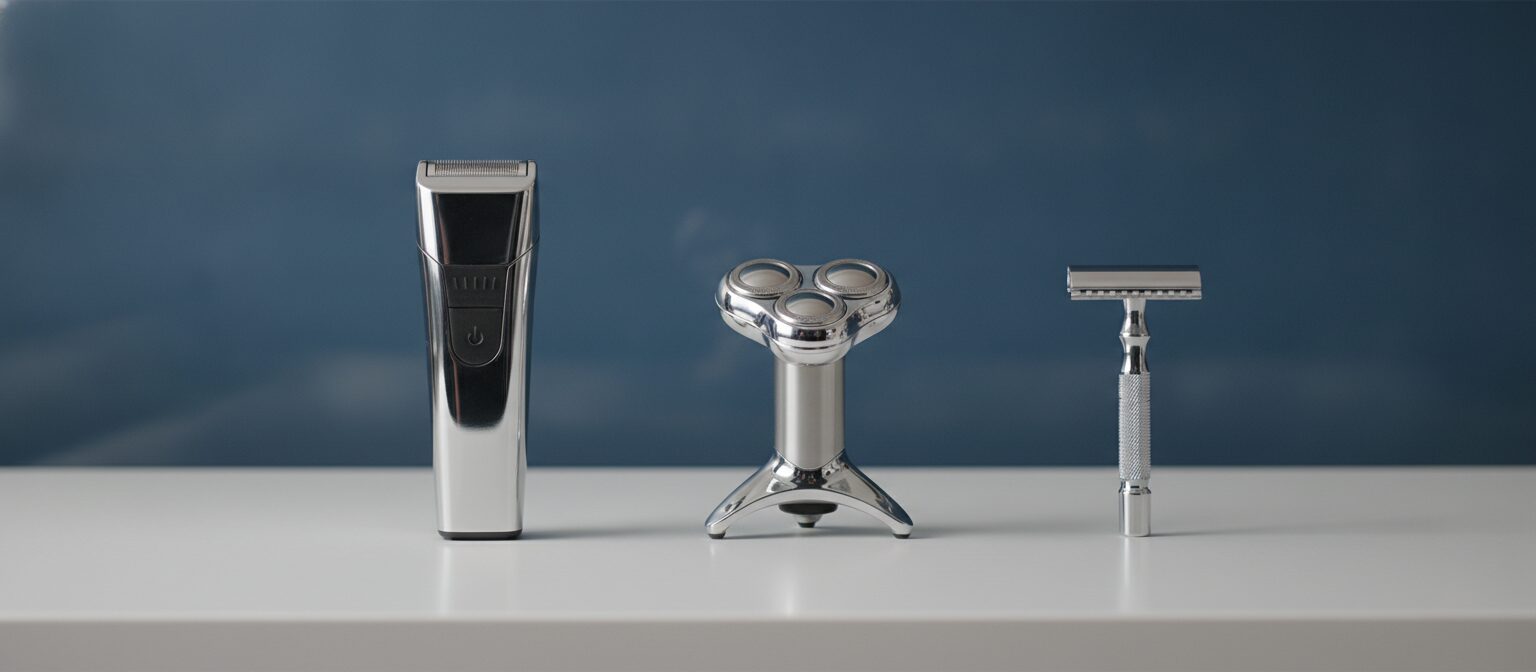
The shave aisle sells three philosophies: the foil shaver’s straight-line precision, the rotary’s contour-hugging circles, and the manual razor’s blade-on-skin classicism. Faces, stubble patterns, and skin types disagree about which wins — so here’s the honest map.
The contenders
Foil electric shavers — oscillating blades under thin perforated foils, moved in straight lines.
Rotary electric shavers — three spinning heads that pivot with facial contours, moved in circles.
Manual razors — cartridge or double-edge safety razors, water, and lather.
Round 1: Closeness
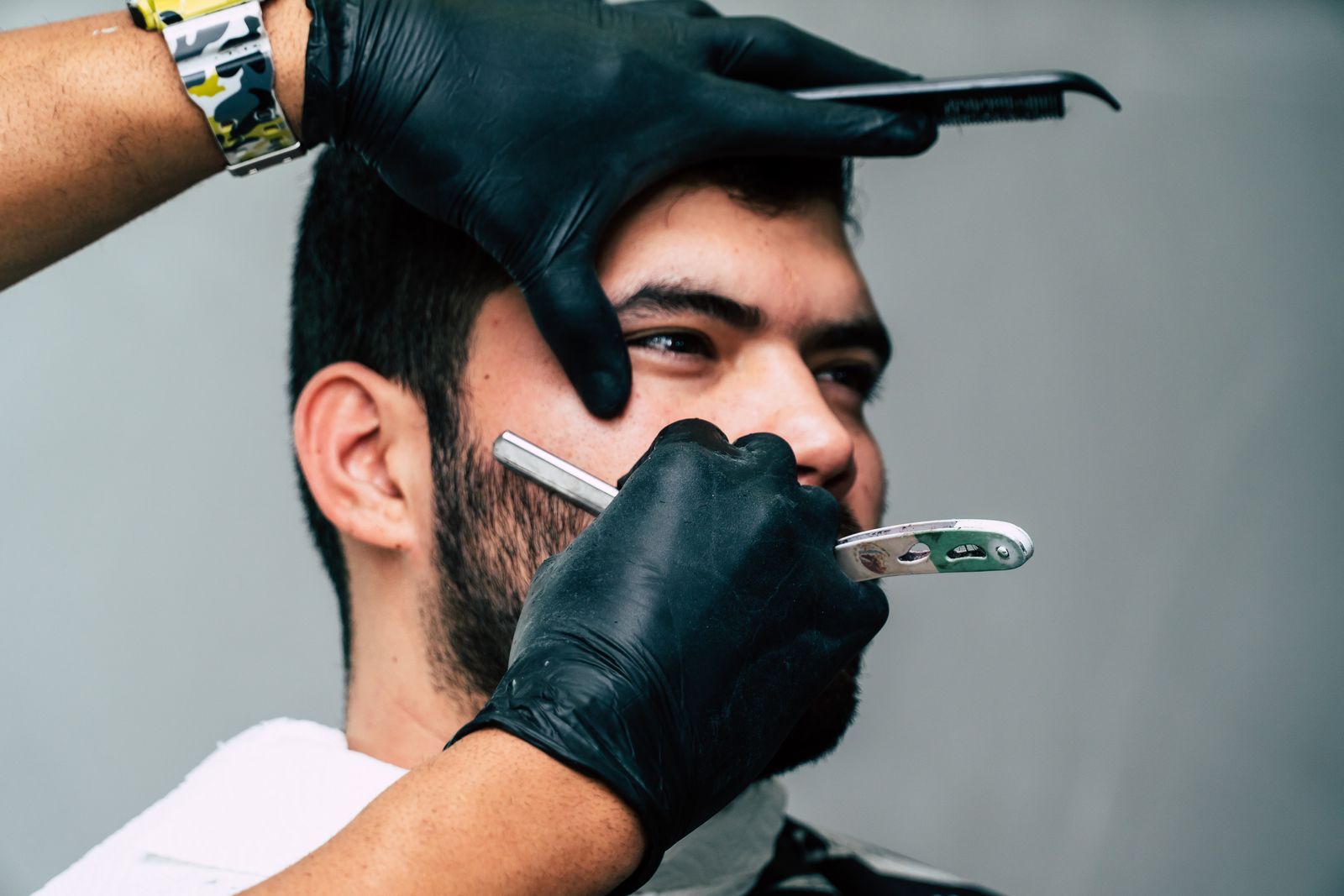
Manual wins — a blade against skin is the definitional closest shave, with double-edge safety razors and quality cartridges both delivering the baby-smooth result electrics chase. Among electrics, foils shave closer on flat areas and short stubble; rotaries trade a little closeness for contour coverage. The honest electric caveat from thousands of reviews: expect a 2–4 week adjustment period while skin and technique adapt, during which closeness improves noticeably.
Winner: Manual.
Round 2: Skin kindness
Reverse it. Electrics dramatically reduce nicks, cuts, and — crucially — ingrown hairs and razor bumps, which is why foils are the standard recommendation for sensitive skin and why users prone to bumps often report electrics as life-changing. Between electrics, foil generally edges rotary for irritation-prone skin. Manual shaving’s blade exfoliation is exactly the problem for reactive skin, though technique, sharp blades, and proper prep close much of the gap.
Winner: Foil.
Round 3: Fit to face and stubble
The round that should decide most purchases. Daily shavers with straight growth and flat features: foil’s home turf. Every-few-days shavers with longer stubble, swirled growth patterns, or strong jaw/neck contours: rotary was engineered for exactly this — the pivoting heads catch multi-directional hairs foils skip over. Precision seekers, edge-line perfectionists, and shave-ritual enjoyers: manual, no contest.
Winner: Depends on your face — and that’s the genuine answer.
Round 4: Cost and upkeep
The five-year math surprises people. Cartridge razors are cheap to start and brutal on refills — the priciest system over time. Double-edge safety razors flip that: real upfront learning curve, then blades that cost pennies; the value king of the entire aisle. Electrics cost real money upfront plus replacement foils/heads every 12–18 months, landing mid-pack overall — plus cleaning duty (or a cleaning-station model, the convenience upgrade reviewers keep praising).
Winner: Double-edge manual on math; electric on daily convenience (dry, fast, no sink required).
The verdict
- Best for sensitive, bump-prone skin and daily speed: A foil electric — the irritation reduction is the category’s whole reason to exist.
- Best for tough contours, swirly growth, and 3-day stubble: A rotary electric — the pivoting heads earn their keep on exactly the faces foils frustrate.
- Best shave and best long-run value: Manual — cartridges for convenience, a double-edge safety razor for the closest shave at the lowest lifetime cost, for those willing to learn it.
Whichever wins: electrics work best on dry or properly pre-shaved skin per their manuals, manual razors on well-hydrated skin with real prep — and a dull blade of any kind is the true villain of every bad shave review ever written.