Affiliate disclosure: some links may earn us a commission at no extra cost to you — commissions never influence a ranking.
Every meal prep Sunday runs on one appliance decision: what does the big batch actually cook in? Three methods dominate real kitchens — the slow cooker, the electric pressure cooker (Instant Pot and kin), and the humble sheet pan — and they produce genuinely different weeks of food. The face-off.
The contenders
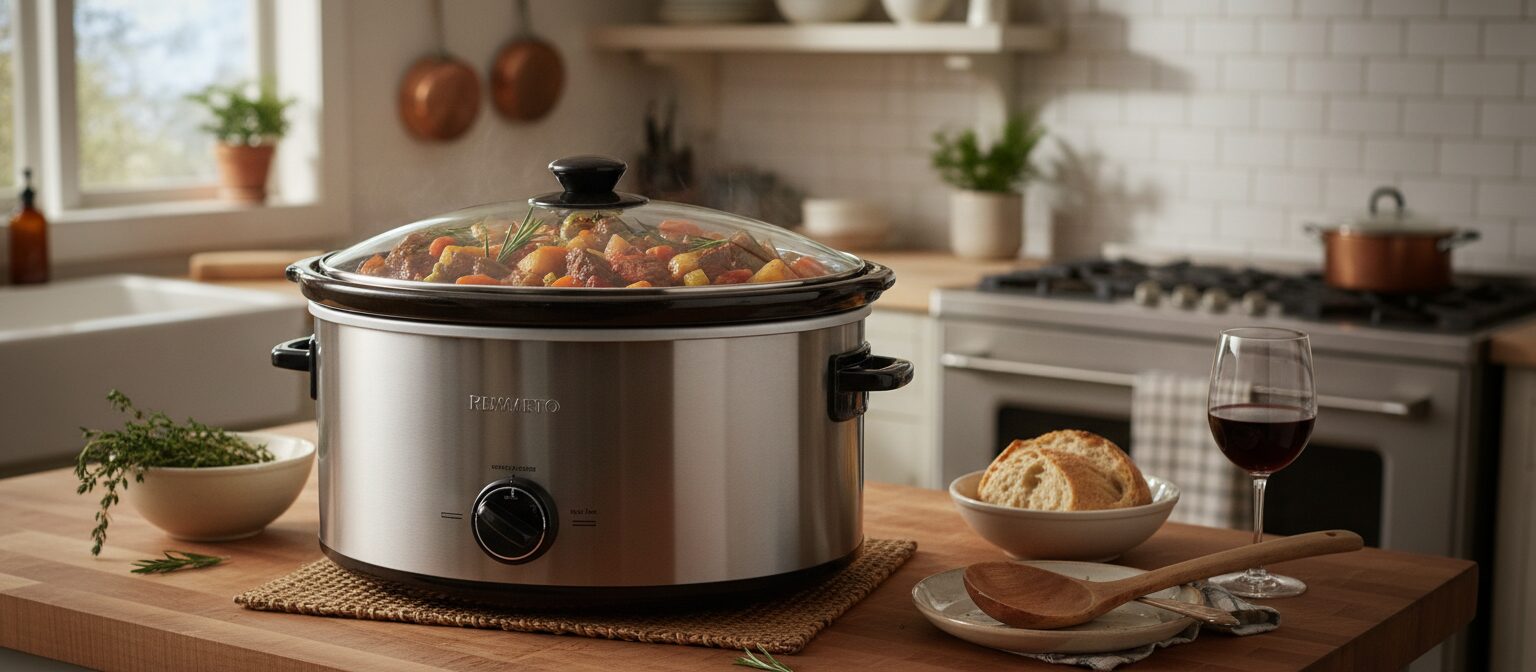
Slow cooker — the set-it-at-8am classic: low, moist heat for 4–10 hours, dinner ready when you are.
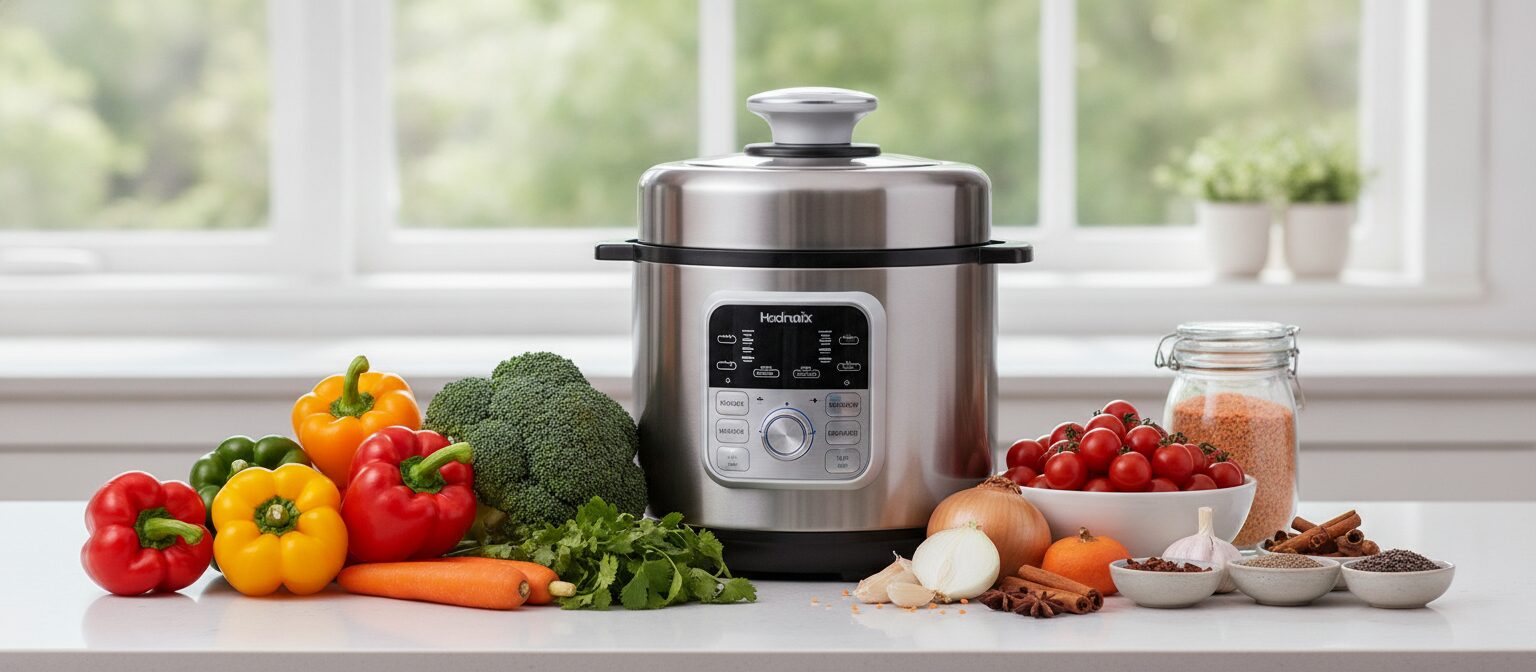
Electric pressure cooker — the Instant Pot era: pressurized cooking that turns hours into minutes, plus sauté, rice, and yogurt modes in one pot.
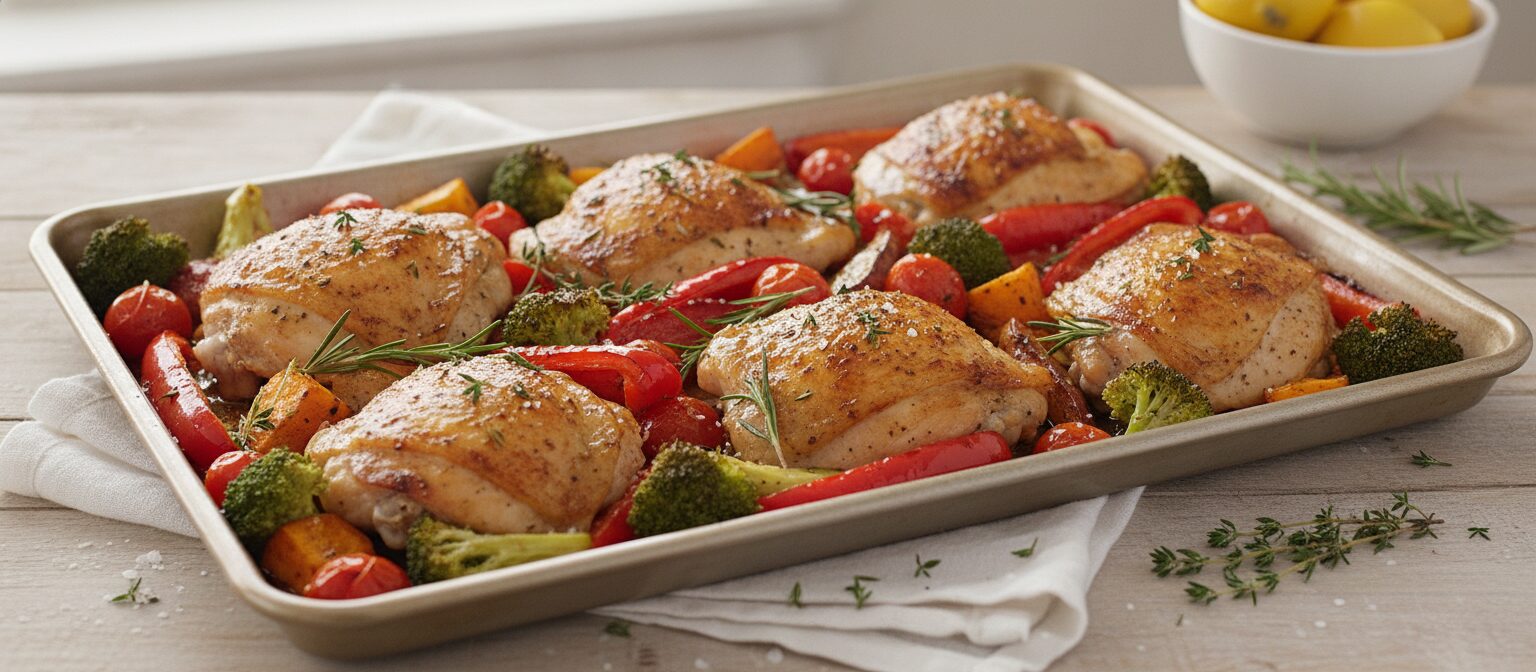
Sheet-pan roasting — the oven method: proteins and vegetables roasted in big flat batches, portioned into the week’s containers.
Round 1: Hands-off convenience
The slow cooker remains the undisputed champion of not being home: load it, leave, return to dinner — no pressure release to babysit, no oven running unattended. Pressure cookers are hands-off once running but demand presence at both ends (and the “quick 30-minute recipe” quietly grows by preheat and release time, the most common owner complaint). Sheet pans need you in the house and flipping at least once.
Winner: Slow cooker.
Round 2: Speed
Reverse the podium. Pressure cookers turn dried beans into dinner in an hour and tough cuts into shreds in 45 minutes — the after-work batch cook’s superpower, and the reason the category conquered the world. Sheet pans run a respectable 25–45 minutes. The slow cooker’s whole identity is not being fast.
Winner: Pressure cooker.
Round 3: What the food is actually like
The round marketing skips. Slow cookers and pressure cookers both excel at the same food family — braises, stews, chilis, shredded proteins, soups — moist, soft, sauce-forward. Eating that texture five lunches straight is where meal prep fatigue is born. Sheet pans contribute the thing the other two can’t: browning. Roasted edges, crisp vegetables, caramelization — texture variety that reviewers consistently credit with keeping them on the meal-prep wagon. The strongest weekly rotation uses a pot method for the base and a sheet pan for contrast.
Winner: Sheet pan — the flavor argument nobody makes until week three.
Round 4: Batch size, cleanup, and cost
Sheet pans are the cheapest gear in the kitchen and scale by adding pans, but each holds one flat layer. A large slow cooker or 8-quart pressure cooker swallows 8–12 portions of stew in one go. Cleanup: one pot beats several pans, and pressure-cooker inner pots are dishwasher-simple; sheet pans line with parchment or foil and nearly clean themselves if you let them. Slow cookers are the cheapest appliance; pressure cookers cost more but replace several gadgets.
Winner: Draw — pots on volume, pans on price.
The verdict
- Best overall for meal prep: The electric pressure cooker — batch volume, speed that fits weeknights, and one-pot cleanup make it the highest-leverage appliance in the prep kitchen.
- Best for out-all-day households: The slow cooker — nothing else cooks while nobody’s home, and the price is almost apologetic.
- Best sidekick (and best budget): The sheet pan — the texture and browning the pot methods can’t produce, for the price of a takeout lunch. The pros run one pot method plus a pan every Sunday.
Who should skip each
Skip the slow cooker if your schedule can’t commit a morning-to-evening window — a half-day cook you start at 6pm is just a late dinner. Skip the pressure cooker if lids, valves, and release steps are friction you’ll avoid; an unused multicooker is the most common appliance-shelf resident in reviews. Skip the sheet pan for nothing — it costs almost nothing and fixes the other two’s biggest weakness. Storage for all those portions? Our meal prep storage face-off picks the containers.