Note: We are not doctors or dietitians, and this is not medical or nutrition advice. People with kidney, heart, or blood pressure conditions — or on medications affecting sodium or potassium — should talk to their healthcare provider before using electrolyte products. Affiliate disclosure: some links may earn us a commission at no extra cost to you — commissions never influence a ranking.
Electrolyte powders have gone from marathon-aid-station niche to grocery-aisle boom, promising better hydration than plain water for workouts, hot days, and everything in between. Do you need them, a classic sports drink, or just water and food? The honest face-off.
The contenders
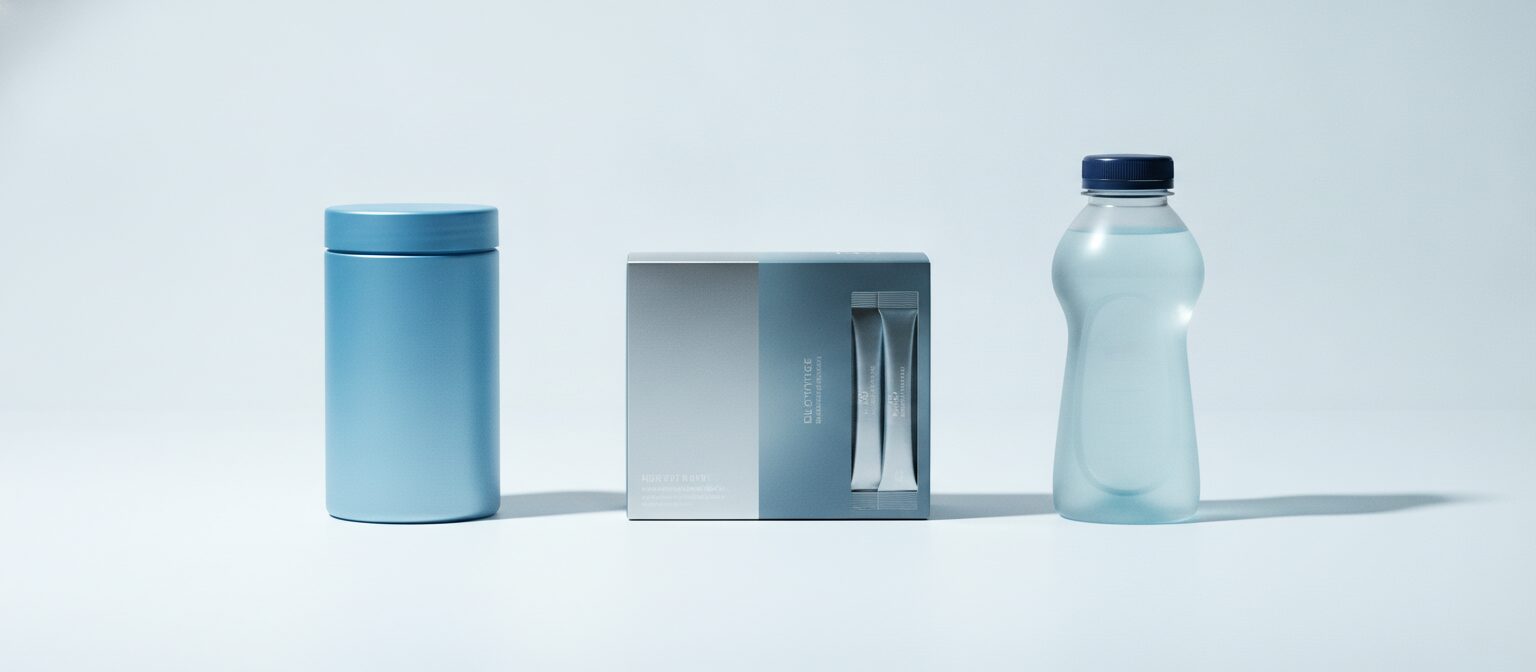
Electrolyte powders and tablets — concentrated sodium/potassium/magnesium mixes stirred into water, usually low- or zero-sugar.
Sports drinks — the ready-to-drink classics pairing electrolytes with sugar, engineered for mid-exercise fueling.
Water + normal food — the incumbent: your kidneys plus the sodium and potassium already in meals.
Round 1: When the science actually favors supplements
The unglamorous truth from sports-nutrition consensus: for everyday life and workouts under roughly an hour, water and regular eating cover electrolyte needs for most healthy people — the body is very good at this. Supplementation earns its keep in specific situations: long or intense sessions (especially in heat), heavy sweaters (the white-crust-on-the-hat crowd), physical outdoor work, and fluid losses from illness (where a proper oral rehydration approach, per medical guidance, is its own category). Sports drinks add a real feature in the long-session case: the sugar is intentional fuel for efforts past ~60–90 minutes, not a flaw.
Winner: Water + food for daily life; powders or sports drinks earn their slot in genuine sweat scenarios.
Round 2: Reading the labels
The category’s dirty secret is dosage spread: some trendy powders deliver a hefty ~1,000mg of sodium per stick while others are basically flavored water with vitamins — at the same price. Match the product to the job: high-sodium mixes suit heavy sweat sessions and would be pointless (or counterproductive) sipped at a desk all day; light mixes are mostly taste. Sports drinks sit in the middle on electrolytes and carry meaningful sugar — again, a feature mid-marathon, a dessert on the couch. Third-party testing seals (NSF, Informed Sport) matter here as in every supplement aisle.
Winner: Powders for choice and transparency — if you actually read the panel.
Round 3: Cost per serving
Water is free and food you were buying anyway. Powders run modest per stick but add up as a daily habit — the daily-stick routine can quietly cost hundreds a year for benefits most desk days don’t need. Ready-to-drink sports drinks cost the most per serving of electrolytes delivered.
Winner: Water + food, by a landslide.
Round 4: The taste-compliance wildcard
The strongest honest argument for powders has nothing to do with minerals: thousands of reviews say some version of “I finally drink enough water because it tastes like something.” If a flavored, low-sugar stick is what gets a chronic under-drinker hydrating, that behavioral win can be worth the subscription — just pick a light formulation for daily use and know that’s what you’re buying.
Winner: Powders.
The verdict
- Best for most people, most days: Water and normal meals — boring, free, and physiologically sufficient.
- Best for heavy sweat sessions, heat, and endurance: A properly dosed electrolyte powder — matched to the sweat scenario, with a testing seal.
- Best mid-long-workout fuel: A classic sports drink — the sugar is the point; use it where the effort justifies it.
Who should skip each
Skip daily high-sodium powders if your day involves more scrolling than sweating — and anyone managing blood pressure, kidney, or heart conditions should run any electrolyte product past their provider first. Skip sports drinks as an everyday beverage; that’s soda with a gym membership. Skip “just water” only in the real scenarios above — long heat, long efforts, big sweat — where minerals genuinely leave with the fluid.